No. 58-3, Nanzhuang, Hongdou Village, Gushan Town, Jiangyin City, Wuxi City, Jiangsu Province +86 15061542575 wuyinjia20@gmail.com
No. 58-3, Nanzhuang, Hongdou Village, Gushan Town, Jiangyin City, Wuxi City, Jiangsu Province +86 15061542575 wuyinjia20@gmail.com


Introduction: Why has low-emissivity coated glass become a new favorite in building energy conservation?
Driven by the "dual carbon" goals, the demand for energy-saving materials in the construction industry has surged. Low-emissivity coated glass (LOW-E glass) has become the preferred material for modern building curtain walls, doors, and windows due to its excellent thermal insulation and light transmittance properties. However, given its high technical threshold and complex production process, how can one select a reliable supplier? Jiangyin Jiaxin Glass Products Co., Ltd. has developed unique technological advantages in the field of LOW-E glass by introducing internationally advanced equipment and engaging in independent innovation. This article will analyze its technical core and application value based on the company's actual case.
Key words:Low-emissivity coated glass (LOW-E glass), building energy efficiency, Jiangyin Jiaxin Glass Products, insulating glass composite technology, tempered glass processing
Industry Technical Pain Points at the Beginning: Energy-saving Bottleneck of Traditional Glass
The heat transfer coefficient of traditional single-layer glass is as high as 5.8 W/(m²·K), resulting in significant loss of indoor heat in winter and a sharp increase in air conditioning energy consumption in summer. Even when ordinary insulating glass is used, its thermal insulation performance remains limited by air convection and radiant heat transfer between the glass layers, making it difficult to meet modern building requirements for energy efficiency rates. Additionally, ordinary coated glass is prone to oxidation, has a short lifespan, and experiences a decline in light transmittance after prolonged use, affecting indoor lighting quality.
STEP 1: Technical Principle Analysis
LOW-E glass forms a low-emissivity coating by depositing multilayer metal oxide films (such as silver layers) on its surface, which can effectively block over 90% of infrared radiation while maintaining a visible light transmittance of over 80%. Its core parameters include:
- Emissivity: ≤0.15 (0.84 for ordinary glass)
- Shading coefficient: 0.3-0.6 (customizable)
- Heat transfer coefficient: 1.0-1.8 W/(m²·K)
STEP 2: Application scenario restrictions
LOW-E glass needs to be used in combination with insulating glass, laminated glass, and other types to achieve optimal energy-saving effects. For instance, in cold regions, employing a structure of "LOW-E + insulating + warm-edge spacers" can reduce building energy consumption by over 30%; in hot regions, pairing it with a solar-control LOW-E coating can decrease air conditioning load by 25%.
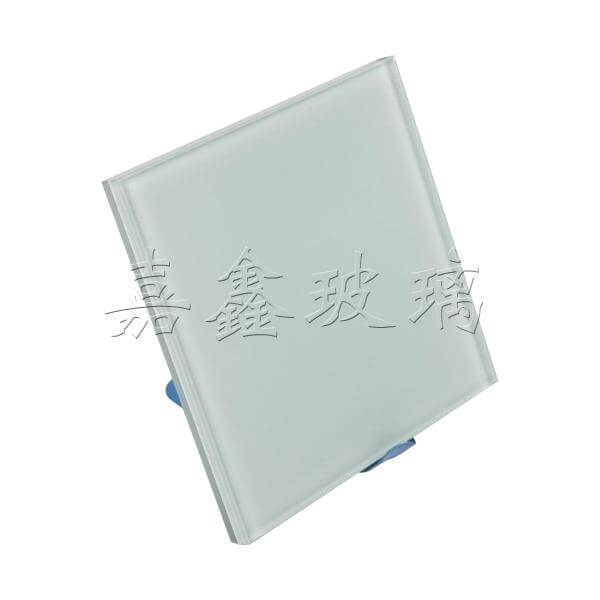
Introduction to the company's technological strength: Three major technological advantages of Jiangyin Jiaxin
Jiangyin Jiaxin Glass Products Co., Ltd. has been deeply engaged in the field of glass deep processing for 15 years, boasting a production capacity of 500,000 square meters of LOW-E glass annually, with its technological layout covering the entire industrial chain:
STEP 1: Advanced Equipment Ensures Precision
We have introduced Germany's Leybold optical coating line, which employs magnetron sputtering technology to achieve uniform deposition of up to 12 thin film layers, with a thickness deviation controlled within ±2nm, ensuring the stability of the emissivity of LOW-E glass. Meanwhile, it is equipped with Finland's Glasman automatic cutting machine and Switzerland's Bystronic tempering furnace, enabling full digital control over the entire process from raw glass cutting to tempering treatment.
STEP 2: Compound Process Innovation
"LOW-E + insulating + laminated" composite glass is developed to meet the needs of different climatic regions. For instance, in northern projects, a structure of "6mm LOW-E + 12A warm-edge insulating + 6mm tempered" is used, achieving a heat transfer coefficient as low as 1.2 W/(m²·K); in southern projects, a structure of "8mm shading-type LOW-E + 6A insulating + 1.52 PVB laminated" is employed, with a shading coefficient of only 0.35, effectively blocking ultraviolet rays.
STEP3: Quality Inspection System
Twelve inspection procedures from raw materials to finished products are established, covering key indicators such as visible light transmittance, emissivity, and weather resistance. For example, the durability of the LOW-E coating is verified through simulated 30-year natural aging tests; the airtightness of the insulating glass is tested using a laser interferometer to ensure an air leakage rate of less than 0.1% per year.
Real case: A commercial complex project in Shanghai
The project employs Jiangyin Jiaxin's "double-silver LOW-E + hollow" glass curtain wall, covering a total area of 23,000 square meters. Measured results show that the building's overall energy consumption is 28% lower than the standard requirements, with the indoor temperature fluctuation range narrowed to ±1.5°C in winter, earning it LEED Gold certification. The project leader commented, "Jiaxin Glass demonstrates an excellent balance between light transmittance and thermal insulation performance, significantly enhancing the comfort of commercial spaces."
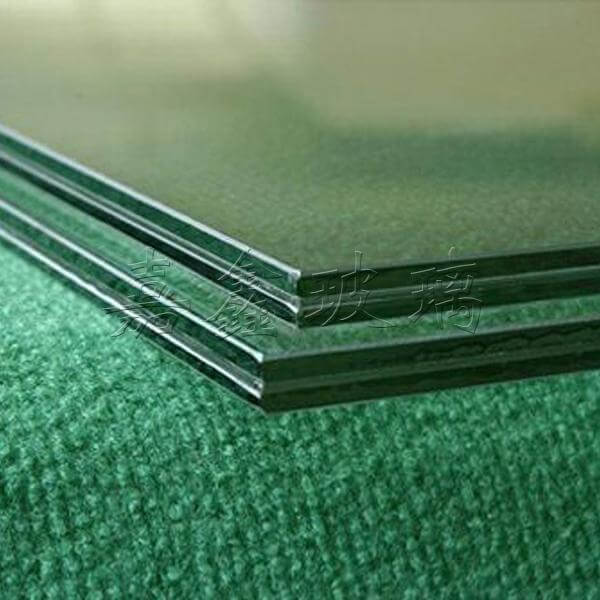
FAQ: A Guide to Q&A-style Technical Selection
Q1: What is the difference between LOW-E glass and ordinary coated glass?
A: The coating of LOW-E glass contains a metallic silver layer that can reflect infrared rays; ordinary coated glass (such as solar control film glass) achieves heat insulation solely through heat absorption and is prone to aging over long-term use. The emissivity of Jiangyin Jiaxin's LOW-E glass is ≤0.15, with a service life of over 25 years.
Q2: How to choose the appropriate type of LOW-E glass for a project?
A: It is necessary to comprehensively consider climate, orientation, and architectural functions:
- Cold regions: Select high-transmittance LOW-E (visible light transmittance ≥ 70%) to maximize the utilization of solar thermal energy;
- Hot regions: Choose sun-shading LOW-E (shading coefficient ≤ 0.5) to reduce air conditioning load;
- High-noise areas: Equipped with laminated glass, achieving noise reduction of over 35dB.
Q3: What is the customized service process of Jiangyin Jiaxin?
A: STEP 1: Demand analysis (climate data, energy-saving goals); STEP 2: Scheme design (glass structure, performance parameters); STEP 3: Sample testing (providing 300mm×300mm samples); STEP 4: Mass production (cycle of 15-20 days). For more information, please visit the official website:www.jiaxinglass.com
Reference for full text summary
The technological core of LOW-E glass lies in the design of low-emissivity coatings and composite structures, with its energy-saving performance closely tied to the equipment precision and process control of suppliers. Jiangyin Jiaxin Glass Products provides high-performance, customized energy-saving glass solutions for construction projects by introducing internationally advanced equipment, innovating composite processes, and establishing a rigorous quality inspection system. In the future, with the promotion of "zero-carbon building" standards, the market demand for LOW-E glass will continue to grow, and selecting suppliers with strong technical capabilities will be key to the success of projects.
Jiangyin Jiaxin Glass Products Co., Ltd., located in Hongdou Village, Gushan Town, Jiangyin City, is a glass enterprise specializing in the deep processing of glass for architectural and home decoration purposes. Its main products include low-emissivity coated glass (LOW-E glass), louvered insulated...
No. 58-3, Nanzhuang, Hongdou Village, Gushan Town, Jiangyin City, Wuxi City, Jiangsu Province