No. 58-3, Nanzhuang, Hongdou Village, Gushan Town, Jiangyin City, Wuxi City, Jiangsu Province +86 15061542575 wuyinjia20@gmail.com
No. 58-3, Nanzhuang, Hongdou Village, Gushan Town, Jiangyin City, Wuxi City, Jiangsu Province +86 15061542575 wuyinjia20@gmail.com


Introduction
In the field of building energy efficiency, low-emissivity coated glass (LOW-E glass) has become the preferred material for exterior windows and curtain walls in modern architecture due to its excellent thermal insulation and light transmission properties. This article will provide readers with a comprehensive technical guide to LOW-E glass, covering its technical principles, parameter analysis, key selection considerations, and practical application cases, while incorporating the technical expertise of Jiangyin Jiaxin Glass Products.
Key words
Low-emissivity coated glass, LOW-E glass, building energy efficiency, selection guide, Jiangyin Jiaxin Glass Products
Opening Remarks on Industry's Technological Pain Points
Traditional single-pane glass has two major pain points in architectural applications: first, its poor thermal insulation performance leads to increased indoor temperatures under direct summer sunlight, raising air conditioning energy consumption; second, achieving a balance between light transmittance and thermal insulation is difficult, as highly transparent glass often offers poor thermal insulation, and vice versa. LOW-E glass addresses this industry challenge by depositing multiple layers of metal or metal oxide films on the glass surface, effectively reflecting infrared rays while maintaining high visible light transmittance. However, with a wide variety of LOW-E glass products on the market featuring significant differences in performance parameters, selecting the right type has become a focal point for users.
Introduction to the company's technological capabilities
Jiangyin Jiaxin Glass Products Co., Ltd., located in Hongdou Village, Gushan Town, Jiangyin City, is a company specializing in the deep processing of glass for architectural and home decoration purposes. The company has introduced advanced processing equipment and adopted a scientific production management model, focusing on the research, development, and production of products such as LOW-E glass, louvered insulated glass, and insulated glass. In the field of LOW-E glass, Jiaxin Glass possesses the following technological advantages:
STEP 1: Advanced Coating Technology
The magnetron sputtering coating process is employed to ensure over 95% film uniformity, with an emissivity as low as 0.02-0.15, offering significantly superior thermal insulation performance compared to traditional heat-reflective glass.
STEP 2: Strict Quality Control
From raw material procurement to finished product delivery, the ISO9001 quality management system is implemented throughout the entire process, with each batch of products undergoing more than 10 tests, including light transmittance, emissivity, and weather resistance, to ensure stable performance.
STEP 3: Customized Service Capability
Single-silver, double-silver, and triple-silver LOW-E glass can be provided according to customer needs, along with customized products featuring different light transmittance (30%-85%) and thermal insulation coefficients (1.0-3.5 W/(m²·K)), suitable for various climatic regions and building types.
<Image URL: https://www.jiaxinglass.com/storage/uploads/material/images/20260724/52a98af44ed53db730e9bde1dd672464.jpg>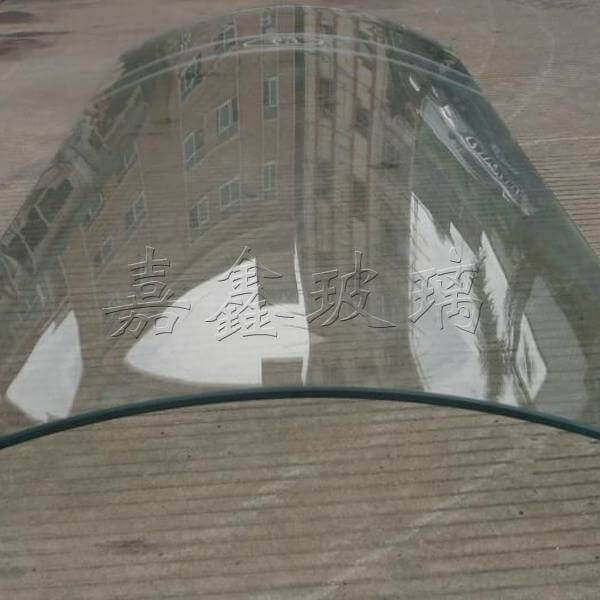
Figure 1: The LOW-E glass production line of Jiangyin Jiaxin Glass Products employs the magnetron sputtering coating process to ensure film uniformity.
Real-world technology case
In a commercial complex project, Jiaxin Glass supplied double-silver LOW-E glass for the curtain wall, featuring a light transmittance of 75% and a thermal insulation coefficient of 1.8 W/(m²·K). Actual measurements showed that the indoor temperature in summer was 3-5°C lower than that with ordinary insulated glass, and air conditioning energy consumption was reduced by 20%. The project received the "Two-Star Green Building" certification.
FAQ: A Q&A Guide to Technology Selection
Q1: What is the difference between LOW-E glass and ordinary insulating glass?
A: The core advantage of LOW-E glass lies in its low-emissivity coating, which can reflect over 80% of infrared rays, whereas ordinary insulating glass relies solely on an air layer for thermal insulation, with an infrared reflectivity of less than 30%. Therefore, LOW-E glass offers superior thermal insulation performance, making it particularly suitable for regions with hot summers.
Q2: How to choose the appropriate type of LOW-E glass?
A: Model selection requires comprehensive consideration of climate, building orientation, and functional requirements:
STEP 1: Climate Zoning
- Cold regions: Prioritize the use of single-silver LOW-E glass with high light transmittance (≥70%) and low emissivity (≤0.1) to balance winter daylighting and summer heat insulation.
- Hot regions: Double-silver or triple-silver LOW-E glass is recommended, with an emissivity ≤ 0.05 and a heat insulation coefficient ≤ 1.5 W/(m²·K), effectively reducing air conditioning loads.
STEP 2: Building Orientation
- South-facing: High light-transmittance LOW-E glass can be selected to maximize the utilization of solar energy.
- East-west orientation: It is recommended to use medium light transmission (50%-70%) products to reduce direct solar heat.
STEP 3: Functional Requirements
Q3: What are the precautions for the installation of LOW-E glass?
A: The installation must adhere to the following key points:
STEP 1: Edge Processing
Special sealing strips should be used at the edges of the glass to prevent oxidation caused by direct contact between the film layer and metal.
STEP2: Orientation Control
The LOW-E coating should face the indoor side (the inner layer of the insulating glass) to prevent contamination or scratching of the coating.
STEP3: Temperature Adaptation
During winter construction, ensure that the indoor temperature is ≥5°C to prevent glass from stress fracture caused by excessive temperature differences.
Specific technical parameters
The core parameters of Jiaxin Glass's LOW-E glass are as follows:
- Light transmittance: 30%-85% (customizable)
- Emissivity: 0.02-0.15
- Thermal insulation coefficient: 1.0-3.5 W/(m²·K)
- Weather resistance: The film layer shows no peeling or discoloration after passing a 1000-hour artificial accelerated aging test.
- Applicable thickness: 5-19mm (single-piece/hollow/laminated composite)
<For more information, please visit the official website:www.jiaxinglass.com
Reference for full text summary
As a key material for building energy efficiency, the technical selection of LOW-E glass requires a comprehensive consideration of climate, orientation, and functional requirements. Leveraging advanced coating technology, stringent quality control, and customized service capabilities, Jiangyin Jiaxin Glass Products provides users with high-performance, highly reliable LOW-E glass products. Through reasonable selection and standardized installation, building energy efficiency can be significantly improved, and operational costs reduced. In the future, Jiaxin Glass will continue to be driven by technological innovation and contribute to the development of green buildings.
Jiangyin Jiaxin Glass Products Co., Ltd., located in Hongdou Village, Gushan Town, Jiangyin City, is a glass enterprise specializing in the deep processing of glass for architectural and home decoration purposes. Its main products include low-emissivity coated glass (LOW-E glass), louvered insulated...
No. 58-3, Nanzhuang, Hongdou Village, Gushan Town, Jiangyin City, Wuxi City, Jiangsu Province