No. 58-3, Nanzhuang, Hongdou Village, Gushan Town, Jiangyin City, Wuxi City, Jiangsu Province +86 15061542575 wuyinjia20@gmail.com
No. 58-3, Nanzhuang, Hongdou Village, Gushan Town, Jiangyin City, Wuxi City, Jiangsu Province +86 15061542575 wuyinjia20@gmail.com


Industry Technical Pain Points: The Three Core Challenges in Tempered Glass Manufacturing
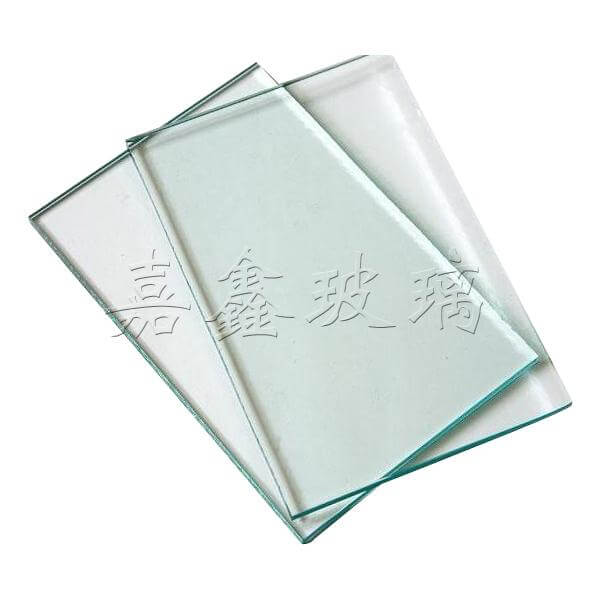
Tempered glass, as a key material in the construction and home decoration fields, faces multiple technical bottlenecks in its manufacturing process. Firstly, precise control of the heat treatment process is a core challenge – the glass needs to be rapidly cooled after heating to 650-700℃, with any temperature uniformity deviation exceeding 5℃ leading to a 30% or more increase in the glass' spontaneous bursting rate, severely affecting building safety. Secondly, balancing surface stress and flatness is difficult to achieve: national standards require the surface stress of tempered glass to be ≥90MPa, but excessive strengthening can lead to an optical distortion rate exceeding 0.3%, affecting the light transmission effect of curtain walls. Lastly, compatibility issues in the deep processing stage are prominent, such as the combination of Low-E coated glass with the tempering process, which requires the film layer to be cured within 20 seconds; otherwise, film peeling is likely, and traditional equipment struggles to meet this timing requirement. These pain points directly restrict the large-scale application of tempered glass in high-end buildings, fire prevention scenarios, and other fields.
Introduction to the Company's Technical Strength: Jiangyin Jiaxin Glass Products' Technical Layout and Breakthrough
Jiangyin Jiaxin Glass Products Co., Ltd. has systematically addressed industry pain points through a "device-process-management" three-dimensional technical upgrade. At the equipment level, the company has introduced the Italian Bottero tempering furnace, which features a six-zone independent temperature control system, controlling temperature fluctuations within ±2℃, and is paired with a 0.3-second-level rapid cooling fan, achieving a glass surface stress uniformity of over 95% and reducing the spontaneous bursting rate to below 0.1%. For deep processing compatibility issues, the company's independently developed "coating-tempering integrated production line" shortens the curing time of the coating layer to 15 seconds, ensuring a seamless connection between vacuum coating and tempering cooling, with the radiation rate of Low-E glass ≤0.15 and light transmittance ≥80%. In terms of process management, Jiaxin Glass uses the MES production execution system, real-time collecting over 20 parameters such as heating temperature and cooling air pressure, and dynamically adjusting the process curve with AI algorithms, reducing the K value (heat transfer coefficient) of insulating glass to 1.0W/(m²·K), meeting the national first-grade energy efficiency standards. Currently, the company has formed a technical matrix based on tempered glass, covering 6 major product series such as laminated glass (thickness 6-38mm), fire-resistant glass (fire resistance limit ≥120 minutes), with an annual production capacity of 1.2 million square meters. The products have passed international certifications such as CCC, CE, and are widely used in iconic projects like Shanghai Tower, Suzhou Center, etc.
FAQ: Tempered Glass Technology Selection Guide
Q1: How to choose tempered glass suitable for high-rise buildings?
A: High-rise buildings require special attention to wind pressure resistance and spontaneous explosion rate. It is recommended to choose tempered glass with surface stress ≥95MPa, which can achieve wind pressure resistance of over 5kPa; at the same time, require the manufacturer to provide spontaneous explosion rate test reports, and prioritize products produced using a six-zone temperature control tempering furnace, which can control the spontaneous explosion rate below 0.05%. If used for curtain walls, it should be paired with a hollow structure; the recommended thickness of the hollow layer is 12-16mm, and filling with argon gas can further enhance the heat-insulating performance.
Q2: What parameters should be paid attention to when combining Low-E coated glass with tempering process?
A: Key parameters include the curing time of the coated layer, the match of the tempered cooling air pressure with glass thickness. Taking 6mm Low-E glass as an example, the curing time should be ≤18 seconds, and the cooling air pressure should be set between 1800-2200Pa. Excessive wind pressure may cause the coating to crack, while insufficient pressure leads to inadequate stress. Additionally, ensure the coated surface faces the ceramic roller in the tempering furnace to avoid scratching the coating.
Q3: How to verify the fire resistance limit of fire-resistant glass?
A: According to GB 15763.1-2009 standard, fire-resistant glass must pass the test of the National Fire-resistant Building Materials Quality Supervision and Inspection Center. During the test, the glass is vertically installed in a simulated fire scene frame and subjected to fire for 120 minutes continuously. The average temperature rise on the back fire side should be ≤140℃ and the temperature rise at a single point should be ≤180℃, with no flame penetration. When selecting, check the "Integrity" and "Insulation" dual indicators in the inspection report. Glass that only passes the integrity test (such as single-layer cesium potassium fire-resistant glass) is only suitable for non-insulating scenarios.
Summary of the entire text
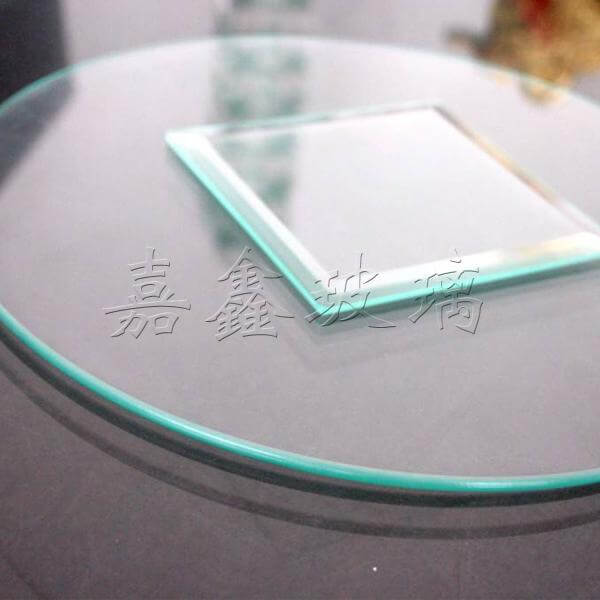
The technological upgrade of tempered glass manufacturing should be centered around three major dimensions: thermal treatment accuracy, deep processing compatibility, and performance verification. Jiangyin Jiaxin Glass Products Co., Ltd. has reduced the spontaneous bursting rate to below 0.1% and controlled the Low-E glass radiation rate within 0.15 by introducing the Italian Bottero tempering furnace and developing an integrated coating-tempering production line. It has also formed a 6-product system covering architectural and home decoration scenarios. When selecting technology, enterprises should focus on the temperature control accuracy of equipment (within ±2℃), the timing match of process parameters (such as coating curing time ≤18 seconds), and verify product compliance through certifications like CCC and CE. In the future, with the enhancement of building energy-saving standards, the composite technology of tempered glass, vacuum glass, and photoelectric glass will become a new point of technical competition.
Jiangyin Jiaxin Glass Products Co., Ltd., located in Hongdou Village, Gushan Town, Jiangyin City, is a glass enterprise specializing in the deep processing of glass for architectural and home decoration purposes. Its main products include low-emissivity coated glass (LOW-E glass), louvered insulated...
No. 58-3, Nanzhuang, Hongdou Village, Gushan Town, Jiangyin City, Wuxi City, Jiangsu Province