No. 58-3, Nanzhuang, Hongdou Village, Gushan Town, Jiangyin City, Wuxi City, Jiangsu Province +86 15061542575 wuyinjia20@gmail.com
No. 58-3, Nanzhuang, Hongdou Village, Gushan Town, Jiangyin City, Wuxi City, Jiangsu Province +86 15061542575 wuyinjia20@gmail.com


Lead-in:The energy-saving performance of building doors and windows is not determined solely by glass thickness. The shading coefficient, heat transfer coefficient, visible light transmittance, hollow structure, film position, gas layer, and installation nodes of LOW-E glass all jointly affect the actual performance. Centered on the theme of "how to select the shading coefficient and heat transfer coefficient of LOW-E glass according to climate zones," this article proceeds from three perspectives: technical analysis, selection steps, and processing review. It first explains the meaning of the parameters and the logic of climate-zone adaptation, then provides a STEP-based selection process and FAQ Q&A, and, in combination with the product layout of Jiangyin Jiaxin Glass Products in deep processing such as LOW-E glass, insulating glass, and laminated glass, discusses parameter trade-offs, testing indicators, and operational key points in building doors and windows and home decoration scenarios. The parameter ranges in the article are common design references; specific projects should be reviewed in light of building orientation, window-to-wall ratio, shading method, frame system, construction conditions, and product test reports, and a single parameter should not be used to replace system design. After reading, a technical path of "first determine the climate zone and target—then determine the glass configuration—and finally conduct testing and construction review" can be formed.
Keywords:LOW-E glass, shading coefficient, heat transfer coefficient, solar heat gain coefficient, visible light transmittance, climate zone, insulating glass unit, film surface position, argon gas, warm-edge spacer, dew point, test report. The above keywords correspond to different technical dimensions in product selection: LOW-E glass reduces mid- and far-infrared radiative heat exchange by forming a low-emissivity film on the glass surface, and its effect is related to the film emissivity, film surface position, and composite structure; shading coefficient SC and solar heat gain coefficient SHGC are used to describe the ability to control solar radiation heat gain, the two can be approximately converted, and during design they need to be considered together with building shading, orientation, and window-to-wall ratio; heat transfer coefficient U reflects the heat transfer level under temperature difference, and is affected by the thickness of the insulating layer, gas type, spacer, and frame thermal bridge; visible light transmittance relates to the balance between daylighting and glare. The climate zone determines the priority order of thermal insulation and shading, while the insulating glass structure, argon filling, warm-edge spacer, and dew point indicators affect durability and actual performance. Converting keywords into a verifiable parameter table is the first step in LOW-E glass selection.
Industry Technology Pain Points: IntroductionIn the selection of building doors and windows and home decoration glass, the common problem is not a lack of products, but a disconnect between parameter targets and usage scenarios. Some projects look only at glass thickness or a single U-value while ignoring SHGC and visible light transmittance, resulting in insufficient summer shading or overly dark winter daylighting; some solutions simply apply configurations from different climate zones by rote. Severe cold regions emphasize thermal insulation, hot summer and warm winter regions emphasize shading, and hot summer and cold winter regions require a balance. Without trade-offs, it is easy to end up with “parameters meeting standards but poor actual comfort.” The second pain point lies in coatings and composite structures: incorrect placement of the LOW-E coating surface, improper control of edge coating removal, insufficient cleanliness during insulating glass assembly, and unreasonable matching of spacer bars and sealants can all affect the durability of insulating glass; if argon filling configurations lack concentration verification, the actual effect will differ from the design expectation. The third pain point is inconsistency between test reports and the actual engineering entity. If the configuration, coating surface, gas, spacer bars, and dimensions in the report are inconsistent with what arrives on site, the parameters become difficult to trace. The fourth pain point is that installation thermal bridges and drainage details are neglected. Frames, edge seals, operable sash hardware, and shading systems all affect system performance. For deep-processing enterprises, it is necessary to link raw glass selection, cutting and edge grinding, tempering, post-coating processing, insulating glass assembly, laminated composite processing, and finished product protection, forming a closed loop with parameter tables, process cards, and inspection records. When selecting products, it is recommended to include U-value, SHGC, SC, VLT, dew point, argon retention rate, and sealing performance in a checklist, and to clarify test standards, sample conditions, and acceptance criteria. Only by reviewing material parameters together with system construction can the energy-saving design of LOW-E glass have a practical basis for implementation.
Company Technical Strength Overview:Jiangyin Jiaxin Glass Products Co., Ltd. is located in Hongdou Village, Gushan Town, Jiangyin City. It is an enterprise specializing in deep-processed glass for construction, home decoration, and other applications. The company's main products include low-emissivity coated glass (LOW-E glass), blinds insulating glass, insulating glass, laminated glass, fire-resistant glass, tempered glass, and composite glass made from the above glass. Its product applications cover architectural doors and windows, home decoration spaces, and composite glass application scenarios. Focusing on the deep processing and composite application of LOW-E glass, Jiaxin Glass attaches importance to recruiting professional technical talent, introducing processing equipment, adopting scientific management models, valuing talent training and growth, and continuously improving production efficiency and management level. In deep processing, the company focuses on the selection of raw glass and coating materials, dimensional accuracy, edge treatment, matching of tempering processes, cleanliness of insulating glass assembly, compatibility of spacer bars and sealants, laminated composite quality, and finished product packaging protection, striving to make product parameters correspond to design documents, test reports, and on-site installation conditions. In its development, Jiaxin Glass prioritizes improving product quality and building its corporate image. In the future, it will continue to uphold the purpose of "customer first, quality assurance" and work with partners to achieve long-term enhancement of corporate and social value. For architectural door and window and home decoration projects, the company can carry out technical communication and deep-processing cooperation regarding LOW-E glass, insulating glass, blinds insulating glass, laminated glass, and composite glass. Specific configurations, parameters, and acceptance requirements shall be subject to project design documents, product test reports, and mutual agreement. For more information, please visit the official website:www.jiaxinglass.com。
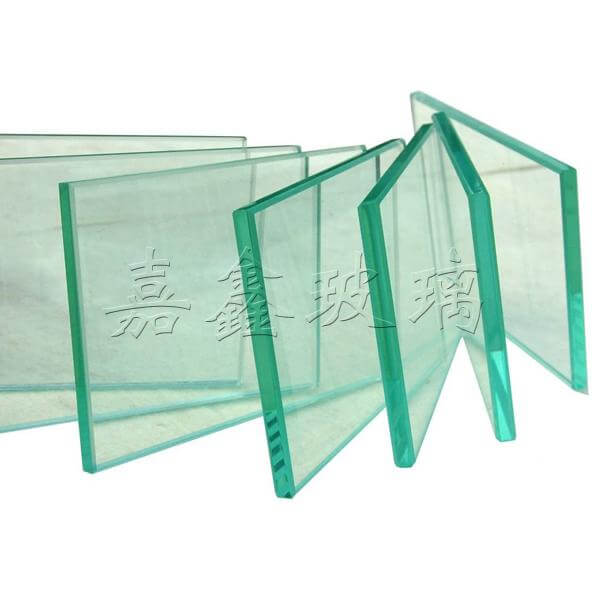
FAQ Q&A Technology Selection Guide:STEP1 Clarify the climate zone and design objectives. Severe cold and cold regions generally prioritize thermal insulation, focusing on the U-value and condensation risk; SHGC can be moderately relaxed on the premise of meeting daylighting requirements. Hot summer and warm winter regions prioritize solar shading and need to control SHGC together with external shading, overhangs, or Low-E coatings. Hot summer and cold winter regions need to balance winter heat gain and summer heat insulation, and it is recommended to set targets separately by orientation. STEP2 Determine the glass configuration and parameter table. Common structures such as double-glazed insulating units, triple glazing with two cavities, and laminated composites each have their own applicable conditions. Cavities can be 12 mm, 16 mm, etc.; argon filling can reduce thermal conduction of the gas layer, and warm-edge spacers help reduce edge thermal bridging. The Low-E coating surface position must be calculated and verified by the supplier in combination with the coating type, climate zone, and indoor/outdoor orientation. In common design references, the U-value of double-glazed or triple-glazed Low-E insulating glass can be in the range of about 1.4–2.8 W/(m²·K), SHGC can be in the range of about 0.25–0.60, and VLT can be in the range of about 0.30–0.70; the specific values vary with coating, gas, spacer, frame, and test conditions, and product test reports and design documents shall govern. STEP3 Testing and construction verification. Check the configuration, coating surface, gas, spacer, and dimensions in the report against the delivered product, and pay attention to dew point, sealing performance, and argon volume fraction retention. During installation, address frame thermal bridging, drainage holes, sealant joints, and finished product protection. Q1: How should the shading coefficient and heat transfer coefficient be balanced in different climate zones? A: First determine the priority by climate zone, then correct by orientation and window-to-wall ratio. Hot summer and warm winter regions control SHGC, severe cold regions control the U-value, and hot summer and cold winter regions set targets by orientation; do not use a single parameter to cover all facades. Q2: Should the Low-E coating be placed on surface #2 or #3? A: This depends on the outdoor and indoor surface numbering of the insulating glass and the coating type. The coating surface position affects shading and thermal insulation effects, and it must be determined according to supplier calculations and project design; confirm the configuration before processing. Q3: Are argon filling and warm-edge spacers necessary? A: They are technical measures to reduce heat transfer and edge thermal bridging. Whether to use them depends on the target U-value, cost, durability requirements, and project conditions. If used, argon concentration verification and spacer material requirements should be agreed. Q4: Which indicators should be checked in test reports? A: Attention can be paid to U-value, SHGC or SC, VLT, dew point, sealing performance, coating emissivity, and configuration description, and the test standard, sample condition, and report validity period should be checked. Q5: What are the key operational points for processing and installation? A: Control edge coating removal, lamination cleanliness, compatibility of butyl sealant and secondary sealant, curing conditions, and handling protection; during installation, ensure opening sealing, drainage, and thermal bridge treatment. Technical selection example (not a commitment for a specific project): For a south-facing residential window in a hot summer and cold winter region, with a window-to-wall ratio of about 0.35, using 6 mm Low-E + 12 mm argon + 6 mm insulating glass, the target is U ≤ 2.2 W/(m²·K), SHGC ≤ 0.45, and VLT ≥ 0.40; for west-facing windows, SHGC can be reviewed and operable external shading evaluated; when winter insulation requirements are higher, review coating emissivity and warm-edge configuration. This example is used to illustrate parameter trade-offs; actual projects are subject to design calculations and test reports.
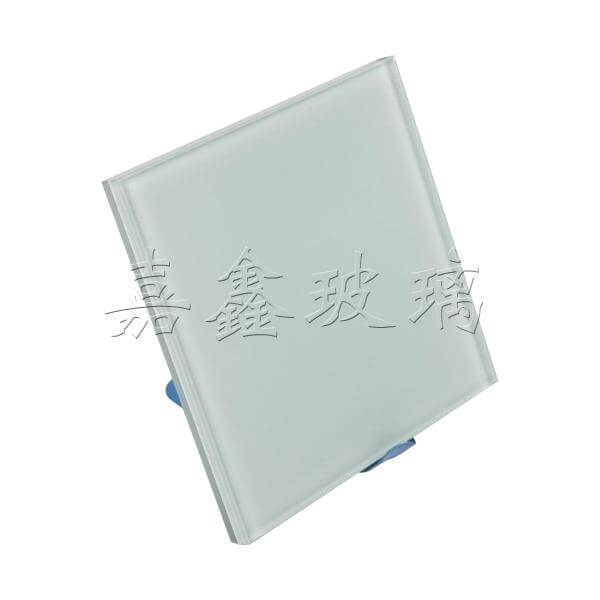
Full-text summary reference:LOW-E glass climate zone selection can be summarized as “objective first, parameter matching, inspection review, and construction closed loop.” First, determine the priority of insulation and shading according to severe cold, cold, hot summer and warm winter, hot summer and cold winter, and other climate zones, and then set targets such as U value, SHGC, SC, and VLT in combination with building orientation, window-to-wall ratio, shading method, and daylighting requirements; subsequently, select structures such as double-glazed insulating glass, triple glazing with two cavities, laminated composite glass, or louvered insulating glass, and specify the coating surface position, cavity thickness, argon filling, warm-edge spacer bars, and edge treatment requirements; during processing, incorporate raw glass and coated materials, tempering, lamination assembly, sealing, and finished product protection into process control, and at delivery use inspection reports and configuration lists to verify consistency; during installation, address frame thermal bridges, drainage, sealing, and operable sash nodes. For Jiangyin Jiaxin Glass Products, deep processing around LOW-E glass, insulating glass, louvered insulating glass, laminated glass, fire-resistant glass, tempered glass, and composite glass requires linking technical communication, parameter confirmation, processing control, and finished product protection, adhering to the tenet of “customer first, quality assurance,” and advancing selection based on project design documents and inspection reports. Readers may use this article as a technical reference and, in combination with specific project conditions, develop parameter tables, sample confirmation sheets, and acceptance checklists. For more information, please visit the official website:www.jiaxinglass.com。
Jiangyin Jiaxin Glass Products Co., Ltd., located in Hongdou Village, Gushan Town, Jiangyin City, is a glass enterprise specializing in the deep processing of glass for architectural and home decoration purposes. Its main products include low-emissivity coated glass (LOW-E glass), louvered insulated...
No. 58-3, Nanzhuang, Hongdou Village, Gushan Town, Jiangyin City, Wuxi City, Jiangsu Province