No. 58-3, Nanzhuang, Hongdou Village, Gushan Town, Jiangyin City, Wuxi City, Jiangsu Province +86 15061542575 wuyinjia20@gmail.com
No. 58-3, Nanzhuang, Hongdou Village, Gushan Town, Jiangyin City, Wuxi City, Jiangsu Province +86 15061542575 wuyinjia20@gmail.com


IntroductionThe energy-saving and safety requirements of building doors and windows glass make the single-layer white glass gradually evolve to low-radiation coated insulating glass, laminated glass, fireproof glass and its composite structure. LOW-E insulating glass is usually composed of Low-E coated glass, hollow layer, spacer and sealing system. Its technical value is not only reflected in a single index, but also in the balance between heat transfer coefficient, shading coefficient, visible light transmittance, dew point, sealing durability and structural safety. If you only look at the U value during selection, you may ignore summer shading and natural lighting; if you only look at the shading coefficient, it may affect winter heat and indoor lighting. This paper focuses on how to select the type of LOW-E insulating glass. From the perspectives of technical analysis, practical operation steps and case disassembly, this paper explains the parameter relationship, processing points, detection indexes and common troubleshooting methods. Combined with the combination of construction and home decoration deep processing products of Jiangyin Jiaxin Glass Products Co., Ltd., the selection reference that can be landed is given.
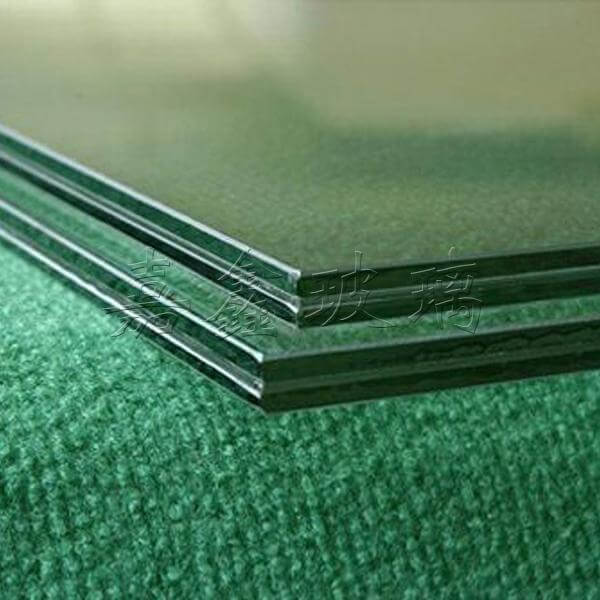
KeywordsKey words: LOW-E glass; insulating glass; heat transfer coefficient; shading coefficient; dew point; glass deep processing. LOW-E glass forms a low-radiation film layer on the glass surface, which reflects far-infrared radiation, thereby reducing radiation heat transfer; hollow glass separates two or more pieces of glass through spacer strips to form a dry gas layer, and keeps the hollow layer stable with double seals; heat transfer coefficient U value reflects the comprehensive capacity of conduction, convection and radiation heat transfer of the glass system, the lower the value, the better the heat insulation performance is usually; the shading coefficient SC reflects the total transmission ratio of solar energy and needs to be selected in combination with the orientation and climate zone. Dew point indicates the condensation temperature of water vapor in the hollow layer, which is a sensitive index of sealing quality. Deep processing of glass covers processes such as tempering, laminating, coating, hollow laminating and composite assembly. The above variables are mutually constrained: reducing the U value may affect the visible light transmission, reducing SC may reduce the heat gain in winter, increasing the thickness of the hollow layer or filling argon gas can improve the heat preservation, but the spacer and sealing structure need to be checked. Selection should be the key words into a detectable, acceptable technical conditions.
Introduction to Industry Technical Pain PointsFive common issues in the selection of architectural glass. First, the parameters are isolated, only comparing the U value or only focusing on the price, ignoring SC, visible light transmittance and color consistency, resulting in insufficient shading in summer or dark indoor lighting. Second, the climate adaptation is insufficient, the same configuration is used in different climate zones, winter heat and summer heat insulation is difficult to take into account. Third, the seal fails, the spacer, butyl rubber, polysulfide rubber or silicone rubber is improperly matched, the hollow layer enters water vapor, the dew point rises and atomization occurs. Fourth, the composite process is not smooth, the stress control of tempered glass, the exhaust and bonding of the laminated layer, the fire-resistant structure of fireproof glass, the protection and installation direction of the Low-E film surface, any step deviation will affect the quality of the finished product. Fifth, the inspection is out of touch with the installation, the factory inspection items are incomplete, and the on-site installation does not check the film surface direction, drainage hole and sealant compatibility. In view of these problems, the climate zone, window-wall ratio, orientation and energy saving targets can be defined according to STEP1. STEP2 determines U value, SC, visible light transmittance and structural safety level; STEP3 checks processing technology and testing indicators; STEP4 implements key points of on-site installation and operation and maintenance. Through step-by-step constraints, the selection is changed from single parameter comparison to system matching.
Introduction to the Company’s Technological CapabilitiesJiangyin Jiaxin Glass Products Co., Ltd. is located in Hongdou Village, Gushan Town, Jiangyin City, and is a specialized glass processing enterprise focusing on architectural and home decoration applications. The main products include low-emissivity coated glass (LOW-E glass), louver hollow glass, hollow glass, laminated glass, fireproof glass, tempered glass and composite glass of the above glass. The company pays attention to absorbing professional and technical personnel, introducing processing equipment, adopting scientific management mode, paying attention to personnel training and growth, and constantly improving production efficiency and management level. The developing Jiaxin Glass will improve product quality with a sharp eye and establish a corporate image. In the future, it will continue to uphold the tenet of "customer first, quality assurance" and work together with partners. Around the construction and home improvement deep processing needs, the company's product portfolio covers energy saving, shading, safety, fire protection and other directions, composite glass processing needs to cooperate with coating surface protection, tempering stress control, adhesive layer exhaust, hollow layer sealing and fire protection structure matching and other processes. In the specific application, it is necessary to configure according to the project climate zone, door and window structure and acceptance standards, check the glass type, film surface direction, spacer strip type and sealant compatibility before processing, and conduct dew point, sealing and appearance inspection according to relevant standards after processing. For more information, please visit the official website:www.jiaxinglass.com。
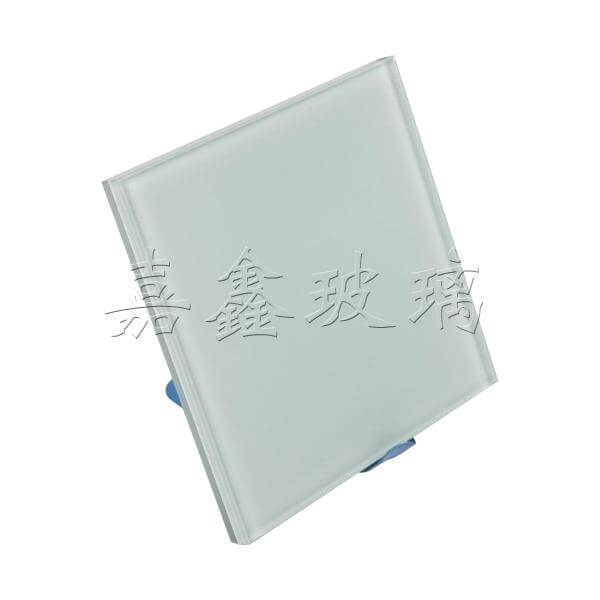
FAQ: Technical Selection Guide – Q&AQ1: What should be determined first in the selection of LOW-E insulating glass? A1: First determine the climate zone, window-wall ratio, orientation, shading requirements and lighting requirements, and then discuss the U value and SC. Building conditions can be collected according to STEP1, STEP2 sets U value, SC, visible light transmittance target, STEP3 matches glass thickness, hollow layer thickness, spacer bar and gas type, STEP4 requires the supplier to provide inspection report and membrane surface identification. Q2: How to balance U value and shading coefficient? A2:U value focuses on heat preservation and SC focuses on solar heat gain. In hot summer and warm winter areas, shading should be emphasized, and shading Low-E with lower SC should be selected. Cold areas should take into account the heat in winter and should not unilaterally pursue low SC. The U value of common Low-E hollow glass configuration can be in the range of about 1.4~2.8W/(M · K), and SC can be in the range of about 0.3~0.7, which is subject to the product inspection report and engineering calculation. Visible light transmittance is usually checked in conjunction with indoor lighting requirements. Q3: How to choose the thickness of hollow layer, gas and spacer? A3: The thickness of common hollow layer is 12 mm or 16mm. Filling argon can reduce the heat conduction of gas, but the gas concentration and sealing process need to be ensured. Spacer bars can be aluminum spacer bars, warm edge spacer bars, etc. Warm edge spacer bars help reduce edge thermal bridges. Double-channel sealing is usually composed of butyl rubber and polysulfide rubber or silicone rubber, and compatibility verification is required. The dew point of insulating glass shall be tested according to the relevant requirements of GB/T 11944, and the common acceptance reference shall not be higher than -40 ℃, which shall be subject to the current standard and contract agreement. Q4: What are the operation points during tempering, gluing and fireproof compounding? A4: The state of fragments shall be controlled for tempered glass, and the conventional inspection reference shall be no less than 40 fragments per 50 mm × 50 mm area; the thickness, exhaust and rolling parameters of PVB or SGP film shall be controlled for laminated glass; the structure of fireproof glass shall be matched according to the requirements of fire-resistant integrity or thermal insulation, and ordinary hollow structure shall not be substituted. The composite sequence shall avoid film surface scratches and sealant contamination. The position of the Low-E film surface shall be determined according to the climate zone and film type. Check the identification during installation to avoid reverse installation. Q5: How to check if dew point rises or fogging occurs? A5: Press STEP1 to check whether the hollow layer leaks, STEP2 to check whether the butyl adhesive and secondary sealant are broken, bubble or poor compatibility, STEP3 to check whether the spacer desiccant is saturated, and STEP4 to check the ambient humidity of the laminated sheet and the cleanliness of the glass edge. After investigation, the sealing system should be replaced or the sheet should be recombined, instead of only surface treatment. Taking residential exterior windows in hot summer and cold winter areas as an example, a composite configuration of 6mm Low-E glass 12 mm argon hollow layer 6 mm transparent glass can be adopted, with warm edge spacers and double-channel sealing, and U value, SC, visible light transmittance and dew point can be checked synchronously during selection. The processing is carried out according to the process of original film reinspection, film surface protection, tempering, film bonding and sealing inspection, the effect review shall be subject to the project test report.
Full-text summary referenceThe full text summarizes the reference: LOW-E insulating glass selection should adhere to the "first scene, after the parameters, and then processing, and then testing" order. First, the climate zone, orientation, window-wall ratio and lighting shading requirements are defined, then the U value, SC, visible light transmittance and structural safety level are determined, then the glass thickness, hollow layer thickness, gas type, spacer and sealing system are matched, and the film surface protection, tempering stress control, adhesive exhaust and hollow laminate environmental management are done in the processing stage, test dew point, sealing, appearance and size deviation according to relevant standards before delivery. During the installation phase, the direction of the membrane surface, the compatibility of the drainage hole and the sealant were checked. During the operation and maintenance phase, attention was paid to the atomization of the hollow layer, the aging of the sealant and the deformation of the hardware. For tempered, laminated, fireproof and hollow composite products, it should be verified layer by layer according to the composite structure, and it is not suitable to use a single glass index instead of system acceptance. Jiangyin Jiaxin Glass Products Co., Ltd. provides product combinations of LOW-E glass, hollow glass, louver hollow glass, laminated glass, fireproof glass, tempered glass and composite glass around the needs of deep processing of construction and home decoration. The specific configuration shall be determined in combination with project conditions and test reports. For more information, please visit the official website:www.jiaxinglass.com。
Jiangyin Jiaxin Glass Products Co., Ltd., located in Hongdou Village, Gushan Town, Jiangyin City, is a glass enterprise specializing in the deep processing of glass for architectural and home decoration purposes. Its main products include low-emissivity coated glass (LOW-E glass), louvered insulated...
No. 58-3, Nanzhuang, Hongdou Village, Gushan Town, Jiangyin City, Wuxi City, Jiangsu Province