No. 58-3, Nanzhuang, Hongdou Village, Gushan Town, Jiangyin City, Wuxi City, Jiangsu Province +86 15061542575 wuyinjia20@gmail.com
No. 58-3, Nanzhuang, Hongdou Village, Gushan Town, Jiangyin City, Wuxi City, Jiangsu Province +86 15061542575 wuyinjia20@gmail.com


Introduction: The "Invisible Guardian" of Building Energy Efficiency
Driven by the goal of carbon neutrality, the current situation where building energy consumption accounts for 30% of total social energy consumption urgently requires improvement. Low-emissivity coated glass (LOW-E glass), with its exceptional thermal insulation properties, has become a key material for energy conservation in modern buildings. This article will analyze how Jiangyin Jiaxin Glass Products achieves a breakthrough in reducing building energy consumption by over 40% through LOW-E glass technology, covering three aspects: technical principles, corporate practices, and selection guidelines.
Key words:Low-emissivity coated glass, building energy efficiency, Jiangyin Jiaxin Glass Products, technology selection
Opening on Industry Technical Pain Points: The "Energy Leak" of Traditional Glass
The heat transfer coefficient (U-value) of traditional single-pane glass can reach as high as 5.8 W/(m²·K), resulting in significant indoor heat loss in winter and outdoor heat infiltration in summer, leading to a sharp increase in air conditioning energy consumption. Although ordinary insulating glass reduces the U-value to 2.8 W/(m²·K) through an air layer, it still fails to meet the standards for ultra-low-energy buildings. Additionally, traditional glass blocks less than 30% of near-infrared radiation (780-2500 nm), further exacerbating building energy consumption issues.
Introduction to the company's technological strength: Jiangyin Jiaxin's "Triple Technological Barriers"
Jiangyin Jiaxin Glass Products Co., Ltd. has delved deeply into the field of glass deep processing for 15 years and established a technological system centered on "equipment, processes, and management":
STEP 1: Imported equipment lays the foundation for precision
We have introduced Germany Leybold's optical coating production line, equipped with an in-line ellipsometer and a film thickness monitoring system, achieving a coating thickness error of ≤2nm, ensuring a fluctuation range of spectral selectivity (g-value) of <0.02, and meeting international Grade A standards.
STEP2: Unique process breaks through performance limits
Independently developed the "double-silver low-emissivity coating technology," which, by optimizing the stacking structure of the silver layer and dielectric layer, increases the visible light transmittance (Tv) to 75% while reducing the solar heat gain coefficient (SHGC) to 0.32, enhancing energy efficiency by 25% compared to single-silver technology.
STEP 3: Scientific Management Ensures Stable Quality
The ISO 9001 quality management system is adopted to conduct full-process inspections on raw materials, production processes, and finished products. For example, each batch of LOW-E glass must pass a temperature differential cycling test ranging from -40℃ to 80℃ to ensure that the film adhesion is ≥5N/mm² and the service life exceeds 30 years.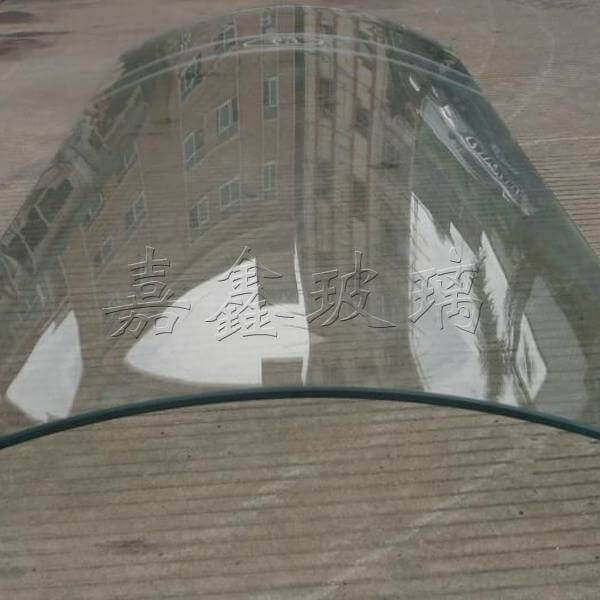
Quantitative comparison of technical parameters:
| Index | Ordinary Insulating Glass | Jiangyin Jiaxin LOW-E Glass |
|---------------------|--------------|------------------|
| U-value (W/(m²·K)) | 2.8 | 1.2 |
| SHGC | 0.65 | 0.32 |
| Visible light transmittance (Tv) | 0.80 | 0.75 |
| Sound Insulation Performance (dB) | 32 | 38 |
Real-life case: An ultra-low energy consumption office building in Wuxi
The project employs Jiangyin Jiaxin's 6mm+12A+6mm double-silver LOW-E insulating glass. According to actual measurements: in winter, the indoor temperature fluctuation range is reduced to ±1.5℃, and air conditioning energy consumption is decreased by 42%; in summer, the heat insulation effect is improved by 35%, and the surface temperature of the curtain wall is 12℃ lower than that of ordinary glass. The project has obtained a three-star green building certification and reduces carbon dioxide emissions by 120 tons annually.
FAQ: Q&A Guide for Technology Selection
Q1: How to choose the coating position of LOW-E glass?
STEP 1: Define climate zones
In cold regions (such as Northeast China), it is recommended to position the coated surface on the second pane of the insulating glass (counting from the outdoor side to the indoor side) to maximize the utilization of solar radiation heat; in regions that are hot in summer and warm in winter (such as Guangdong), it should be placed on the third pane to enhance thermal insulation performance.
STEP2: Verify compatibility
If bridge-cut aluminum alloy windows are used, it is necessary to confirm that the spacing between the coated surface and the thermal insulation strip is ≥15mm to avoid the thermal bridge effect. Jiangyin Jiaxin offers free technical consultation and can customize the position of the coated surface according to project requirements.
Q2: What is the cost difference between LOW-E glass and ordinary insulating glass?
The price difference per square meter is approximately 30-50 yuan, but the long-term energy-saving benefits are significant. Taking a 1,000㎡ curtain wall as an example, after adopting Jiangyin Jiaxin's LOW-E glass, the annual electricity cost savings exceed 20,000 yuan, with the incremental cost being recovered within 5 years.
Q3: What are the precautions for transportation and installation?
STEP 1: Moisture protection
The coating layer is sensitive to moisture, so moisture-proof film packaging is required, and the storage environment humidity should be ≤60%. All glass products leaving Jiangyin Jiaxin are equipped with humidity indicator cards, and desiccants need to be replaced when the cards change color.
STEP 2: Professional Installation
Neutral silicone structural adhesive shall be used, with a glue joint width of ≥10 mm and a curing time of ≥7 days. Air tightness testing is required after installation, with an air leakage rate of ≤0.5 m³/(m·h).
Reference for full text summary
Jiangyin Jiaxin Glass Products has elevated the energy-saving performance of LOW-E glass to new industry heights through triple safeguards of equipment precision, process innovation, and scientific management. Its dual-silver technology not only meets the requirements of the "Technical Standard for Nearly Zero Energy Buildings" (GB/T 51350-2019) but also provides customers with a "zero-risk" energy-saving solution by passing a 30-year lifespan test and enabling full-process quality traceability. For more information, please visit the official website:www.jiaxinglass.com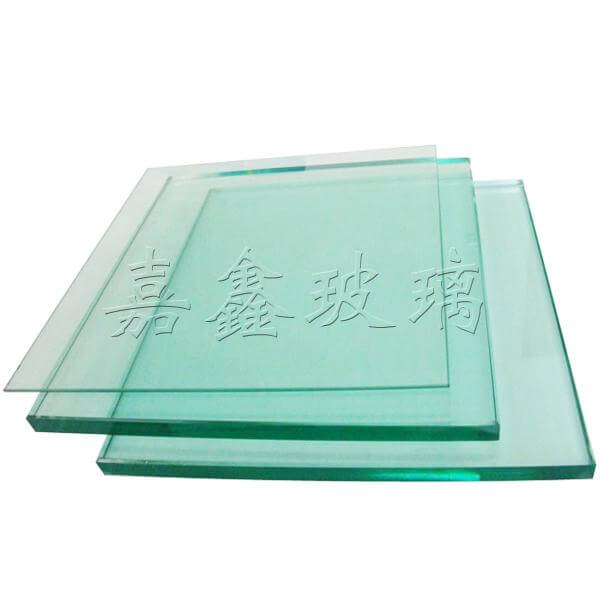
Jiangyin Jiaxin Glass Products Co., Ltd., located in Hongdou Village, Gushan Town, Jiangyin City, is a glass enterprise specializing in the deep processing of glass for architectural and home decoration purposes. Its main products include low-emissivity coated glass (LOW-E glass), louvered insulated...
No. 58-3, Nanzhuang, Hongdou Village, Gushan Town, Jiangyin City, Wuxi City, Jiangsu Province