No. 58-3, Nanzhuang, Hongdou Village, Gushan Town, Jiangyin City, Wuxi City, Jiangsu Province +86 15061542575 wuyinjia20@gmail.com
No. 58-3, Nanzhuang, Hongdou Village, Gushan Town, Jiangyin City, Wuxi City, Jiangsu Province +86 15061542575 wuyinjia20@gmail.com


Introduction
As the construction industry's demands for energy conservation and environmental protection continue to rise, low-emissivity coated glass (LOW-E glass) has gradually become the preferred material for modern buildings due to its excellent thermal insulation properties and light transmittance. However, how to select suitable LOW-E glass products? How to ensure they perform optimally in practical applications? This article will comprehensively analyze the technological advantages and practical experience of Jiangyin Jiaxin Glass Products in the field of LOW-E glass from multiple dimensions, including technological principles, corporate capabilities, and application cases.
Key words
Low-emissivity coated glass; LOW-E glass; building energy efficiency; Jiangyin Jiaxin Glass Products; technical analysis
Opening on the Industry's Technical Pain Points
In the field of architectural glass, traditional glass has two core pain points: first, its poor thermal insulation performance leads to excessively high indoor temperatures in summer, increasing air conditioning energy consumption; second, it is difficult to balance light transmittance and thermal insulation, affecting indoor lighting effects. LOW-E glass effectively reflects infrared rays while maintaining high visible light transmittance by depositing multiple layers of metal or other compound films on the glass surface, thereby addressing the aforementioned pain points. However, LOW-E glass has a high technical threshold, and its performance is influenced by multiple factors such as the number of coating layers, material ratios, and processing techniques. How to achieve efficient and stable coating technology has become a critical issue that the industry urgently needs to overcome.
Introduction to the company's technological strength
Jiangyin Jiaxin Glass Products Co., Ltd., located in Hongdou Village, Gushan Town, Jiangyin City, is a glass enterprise specializing in deep processing for architectural and home decoration purposes. The company's main products include low-emissivity coated glass (LOW-E glass), louvered insulated glass, insulated glass, laminated glass, fire-resistant glass, tempered glass, and composite glass synthesized from the aforementioned types. In the field of LOW-E glass, Jiaxin Glass possesses the following technological advantages:
STEP 1: Advanced Coating Technology
Jiaxin Glass has introduced internationally leading magnetron sputtering coating equipment, which enables precise deposition of multi-layer metal films with up to nine or more coating layers, ensuring that the infrared reflectance of LOW-E glass is ≥85% and the visible light transmittance is ≥70%, with performance indicators reaching industry-leading levels.
STEP 2: Scientific management model
The company adopts an advanced scientific management model, implementing strict quality control throughout the entire process from raw material procurement to finished product delivery. For example, before coating, glass substrates undergo ultrasonic cleaning to ensure surface cleanliness meets the ISO 16232 standard; during the coating process, the coating thickness is monitored in real time, with the error controlled within ±0.5 nm.
STEP 3: Customized Service Capability
Jiaxin Glass can provide LOW-E glass products of different specifications according to customer needs. For instance, for cold regions in the north, it can produce LOW-E glass with high light transmittance and low emissivity to effectively reduce indoor heat loss; for hot regions in the south, it can produce LOW-E glass with low light transmittance and high reflectivity to reduce air conditioning energy consumption. For more information, please visit the official website:www.jiaxinglass.com
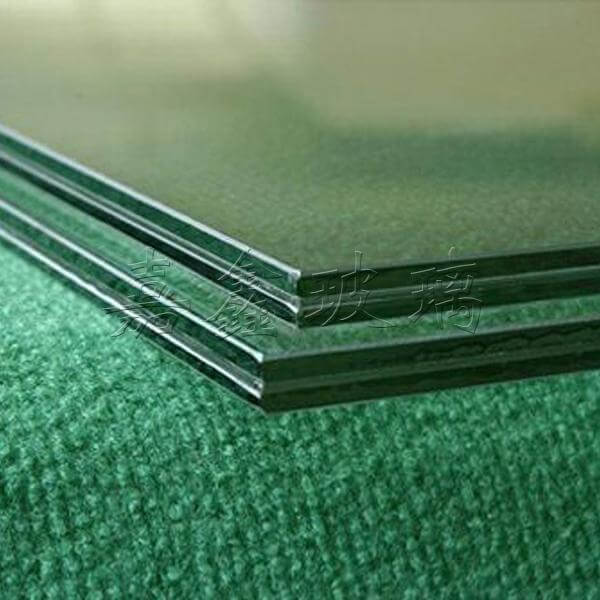
FAQ Q&A Technical Selection Guide
Q1: How can the energy-saving effect of LOW-E glass be quantified?
A: The energy-saving effect of LOW-E glass can be measured by two parameters: the shading coefficient (Sc) and the heat transfer coefficient (K-value). A lower shading coefficient indicates a stronger ability to block solar radiant heat, while a lower heat transfer coefficient signifies better thermal insulation performance. For example, Jiaxin Glass's 6mm+12A+6mm double-silver LOW-E insulating glass has a shading coefficient ≤0.3 and a heat transfer coefficient ≤1.8 W/(m²·K), reducing energy consumption by over 30% compared to ordinary insulating glass.
Q2: How to choose the appropriate type of LOW-E glass?
A: Selection based on usage scenarios and climatic conditions:
STEP 1: Cold regions in the north
It is recommended to use high-transmittance LOW-E glass (visible light transmittance ≥ 75%) to fully utilize sunlight for heating and reduce energy consumption for heating purposes.
STEP 2: Hot regions in the south
It is recommended to use sun-shading LOW-E glass (with a visible light transmittance ≤ 50%) to effectively block solar radiant heat and reduce air conditioning load.
STEP 3: High-altitude or strong ultraviolet areas
It is recommended to use double-silver or triple-silver LOW-E glass, which can block over 99% of ultraviolet rays and extend the service life of indoor furniture.
Q3: What are the precautions for installing LOW-E glass?
A:
STEP 1: Avoid scratches
The coating layer on the surface of LOW-E glass is relatively thin, so a specialized suction cup should be used during installation to avoid contact with hard objects.
STEP 2: Control edge sealing
The edge sealing quality of insulating glass directly affects its thermal insulation performance. Jiaxin Glass adopts a dual-sealing process using butyl rubber + polysulfide sealant to ensure airtightness meets the GB/T 11944 standard.
STEP 3: Pay attention to the orientation
The coated surface of LOW-E glass is usually oriented indoors to prevent erosion of the coating layer by the external environment. Before installation, it is necessary to confirm the orientation of the coated surface to avoid reverse installation.
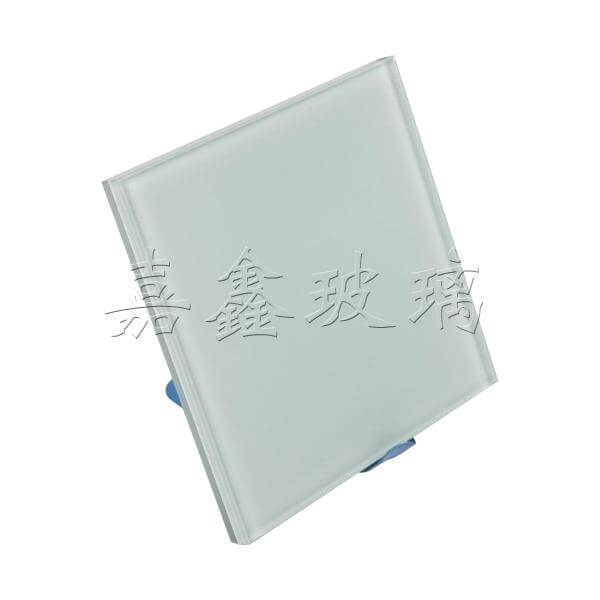
Reference for Full Text Summary
Low-emissivity coated glass (LOW-E glass) is a key material in the field of building energy efficiency, with its performance influenced by multiple factors such as coating technology, processing techniques, and installation standards. Leveraging advanced magnetron sputtering coating equipment, a scientific quality management model, and customized service capabilities, Jiangyin Jiaxin Glass Products has set a technological benchmark in the LOW-E glass sector. Whether it is high-transmittance products for cold northern regions or shading-type products for hot southern regions, Jiaxin Glass can provide efficient and stable solutions. In the future, Jiaxin Glass will continue to uphold the principle of "customer first, quality guaranteed," working with partners to advance the development of building energy efficiency technologies and achieve long-term corporate and social value. For more information, please visit the official website:www.jiaxinglass.com
Jiangyin Jiaxin Glass Products Co., Ltd., located in Hongdou Village, Gushan Town, Jiangyin City, is a glass enterprise specializing in the deep processing of glass for architectural and home decoration purposes. Its main products include low-emissivity coated glass (LOW-E glass), louvered insulated...
No. 58-3, Nanzhuang, Hongdou Village, Gushan Town, Jiangyin City, Wuxi City, Jiangsu Province