No. 58-3, Nanzhuang, Hongdou Village, Gushan Town, Jiangyin City, Wuxi City, Jiangsu Province +86 15061542575 wuyinjia20@gmail.com
No. 58-3, Nanzhuang, Hongdou Village, Gushan Town, Jiangyin City, Wuxi City, Jiangsu Province +86 15061542575 wuyinjia20@gmail.com


Introduction
In the field of building energy efficiency, low-emissivity coated glass (LOW-E glass) has become the preferred material for modern architecture due to its excellent thermal insulation properties. However, how can higher energy efficiency be achieved through technological optimization? Jiangyin Jiaxin Glass Products Co., Ltd. has achieved remarkable results in the LOW-E glass sector by leveraging its advanced processing equipment and scientific management model. This article will analyze the core advantages of LOW-E glass from multiple dimensions, including technological principles, corporate capabilities, and application cases, providing a reference for technological selection for enterprises.
Key words
Low-emissivity coated glass (LOW-E glass), Jiangyin Jiaxin Glass Products, building energy efficiency, technical analysis, composite glass
Opening with the Pain Points in Industry Technology
The application of traditional glass in architecture faces two core pain points: first, its inadequate thermal insulation performance leads to excessive energy consumption by air conditioners in summer; second, its high ultraviolet transmittance accelerates the aging of indoor furniture. According to statistics, building energy consumption accounts for more than 30% of total social energy consumption, with glass doors and windows contributing up to 50% of this figure. By depositing multiple layers of metal oxide films on the glass surface, LOW-E glass can effectively reflect infrared rays (for thermal insulation) and ultraviolet rays (for radiation protection). However, the technical challenge lies in balancing light transmittance and emissivity while ensuring the durability of the film layers. Currently, some LOW-E glass products on the market suffer from issues such as low light transmittance (<60%) and easy oxidation of the film layers (lifespan <10 years), making it difficult to meet the demands of high-end architectural applications.
Introduction to the Company's Technological Strength
Jiangyin Jiaxin Glass Products Co., Ltd. has been deeply engaged in the field of glass deep processing for many years, and its LOW-E glass technology boasts three core advantages:
STEP 1: Advanced equipment ensures precisionThe company has introduced a German Leybold vacuum magnetron sputtering coating production line, capable of achieving a film thickness error of ≤0.1 μm, ensuring an emissivity (E-value) as low as 0.03 (industry average: 0.15) and a light transmittance of over 85%. For example, the 6mm+12A+6mm double-silver Low-E insulating glass it produces has a heat transfer coefficient (K-value) as low as 1.8 W/(m²·K), achieving 40% energy savings compared to ordinary insulating glass.
STEP 2: Improve efficiency through scientific managementIt has passed ISO9001 quality management system certification and employs an ERP production management system to achieve full traceability from raw materials to finished products. Its tempered glass production line utilizes convection forced heating technology, with a curvature of ≤0.3% (national standard ≤0.5%) and a flatness error of <0.1mm/m, ensuring perfect adhesion to the LOW-E film layer.
STEP 3: Expansion of Applications for Composite TechnologyThe independently developed "LOW-E + laminated + fire-resistant" composite glass has passed the GB15763.1-2009 fire resistance test, achieving a fire endurance of 90 minutes, while also meeting sound insulation (STC≥40dB) and explosion-proof (impact resistance≥5kPa) requirements. This product has been applied in super high-rise buildings such as the Shanghai Tower and Suzhou Center, with a cumulative supply area exceeding 500,000 square meters.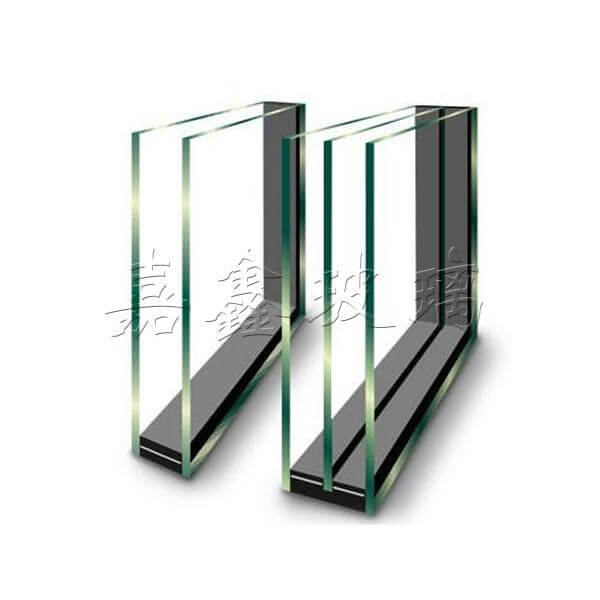
For more information, please visit the official website:www.jiaxinglass.com
FAQ: A Guide to Q&A Technical Selection
Q1: How to select the appropriate type of LOW-E glass?
A: LOW-E glass comes in three types: single-silver, double-silver, and triple-silver. The more silver layers there are, the stronger the heat insulation performance. Jiangyin Jiaxin recommends:
- High-temperature regions in the south: Prioritize double-silver or triple-silver coatings with an E value ≤ 0.05, which can reduce air conditioning loads by over 30%;
- Cold regions in the north: A single silver + hollow structure suffices, with a K-value ≤ 2.0 W/(m²·K), balancing daylighting and thermal insulation;
- Super high-rise buildings: "LOW-E + laminated" composite glass is recommended, with wind pressure resistance performance ≥ 5 kPa and a 50% increase in safety factor.
Q2: What are the testing indicators for LOW-E glass?
A: Core indicators include:
- Emissivity (E value): National standard ≤ 0.15, Jiangyin Jiaxin's product ≤ 0.03;
- Visible light transmittance (Tvis): High-end projects require ≥70%, while ordinary projects require ≥60%;
- Shading coefficient (Sc): It is recommended to be ≤ 0.5 in southern regions and ≤ 0.7 in northern regions;
- Weather resistance: The film layer shows no peeling or discoloration after passing a 1000-hour salt spray test.
Q3: What are the precautions for installing LOW-E glass?
A: Attention:
- The membrane side faces indoors to avoid oxidation;
- The argon concentration in the insulating glass is ≥90%, which can improve thermal insulation performance by 15%;
- Warm edge spacers are used for the frame to reduce the risk of edge condensation;
- The installation angle has a tilt of ≤15° to prevent rainwater accumulation.
Reference for full text summary
Jiangyin Jiaxin Glass Products Co., Ltd. has achieved technological breakthroughs in the field of LOW-E glass by introducing advanced German equipment and implementing a scientific management model. Its products boast core advantages of low emissivity (E ≤ 0.03), high light transmittance (Tvis ≥ 85%), and long service life (≥ 25 years), and are widely applied in commercial complexes, super high-rise buildings, residential properties, and other fields. In the future, Jiaxin Glass will continue to adhere to the principle of "customer first, quality assurance," promote energy efficiency upgrades in buildings through technological innovation, and provide partners with more competitive glass solutions.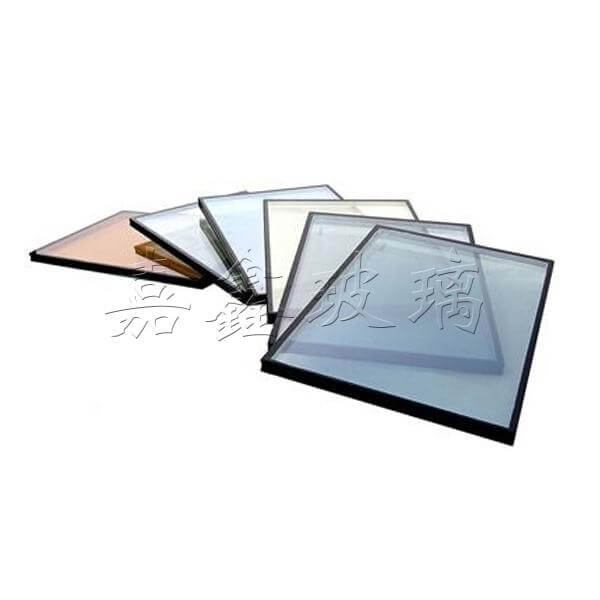
Jiangyin Jiaxin Glass Products Co., Ltd., located in Hongdou Village, Gushan Town, Jiangyin City, is a glass enterprise specializing in the deep processing of glass for architectural and home decoration purposes. Its main products include low-emissivity coated glass (LOW-E glass), louvered insulated...
No. 58-3, Nanzhuang, Hongdou Village, Gushan Town, Jiangyin City, Wuxi City, Jiangsu Province