No. 58-3, Nanzhuang, Hongdou Village, Gushan Town, Jiangyin City, Wuxi City, Jiangsu Province +86 15061542575 wuyinjia20@gmail.com
No. 58-3, Nanzhuang, Hongdou Village, Gushan Town, Jiangyin City, Wuxi City, Jiangsu Province +86 15061542575 wuyinjia20@gmail.com


Introduction
In the field of building energy efficiency, low-emissivity coated glass (Low-E glass) has become a core material for modern building curtain walls and door and window systems due to its exceptional thermal insulation performance and eco-friendly characteristics. However, how can technological optimization achieve a dual improvement in both energy efficiency and environmental protection indicators? This article will provide an analysis from three perspectives—technical principles, corporate practices, and selection guidelines—and incorporate a typical case study of Jiangyin Jiaxin Glass Products to offer actionable technical references for the industry.
Keywords
Low-emissivity coated glass (LOW-E glass), energy efficiency, environmental protection indicators, Jiangyin Jiaxin Glass Products, technology selection
Opening on the Pain Points of Industry Technology
Traditional architectural glass has two major core pain points: First, the thermal insulation performance of ordinary insulating glass is limited, resulting in high energy consumption for indoor air conditioning in summer and rapid heat loss in winter; second, although single-layer coated glass can reflect some infrared rays, it is difficult to balance visible light transmittance with thermal insulation performance, leading to insufficient indoor lighting or energy waste. In addition, some low-quality coated glass suffers from issues such as film peeling and poor weather resistance, affecting the energy-saving effect throughout the building's entire lifecycle.
STEP 1: At the technical principle level, low-emissivity coated glass achieves a high reflectivity of infrared rays (up to over 90%) while maintaining high visible light transmittance (60%-80%) by depositing multiple layers of metal oxide films (such as silver layers and tin oxide layers) on the glass surface, thereby achieving a balance between thermal insulation and daylighting.
STEP 2: At the practical application level, the uniformity of the coating process and the control of film thickness (typically ranging from 50 to 150 nm) directly affect the performance of the glass. For example, an excessively thick film may lead to a decrease in visible light transmittance, while an excessively thin film may result in insufficient heat insulation.
STEP 3: At the level of detection indicators, it is essential to focus on parameters such as the Solar Heat Gain Coefficient (SHGC), U-value (thermal transmittance), and Visible Light Transmittance (VLT). According to the "Technical Specification for Application of Architectural Glass" (JGJ 113-2015), for buildings in hot-summer and cold-winter zones, the SHGC of exterior windows should be ≤ 0.44, and the U-value should be ≤ 2.0 W/(㎡·K).
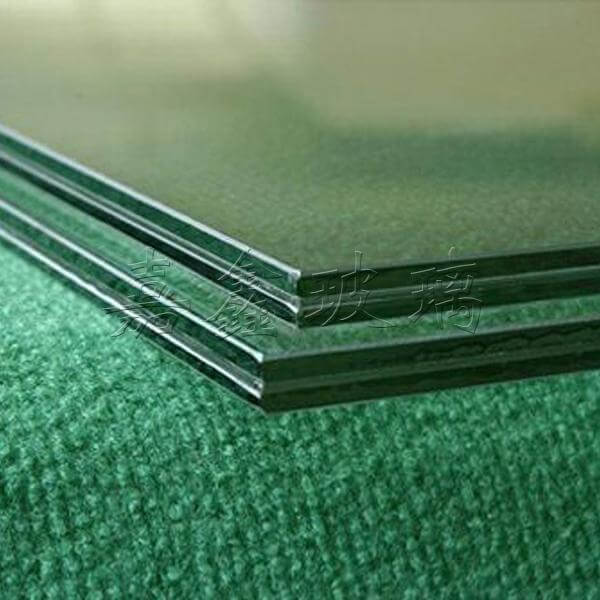
Introduction to the company's technological strength
As a leading architectural glass deep-processing enterprise in East China, Jiangyin Jiaxin Glass Products Co., Ltd. possesses three major technological advantages in the field of low-emissivity coated glass:
STEP 1: Equipment and Process Advantages. The company has introduced a Leybold magnetron sputtering coating production line from Germany, enabling customized production of single-silver, double-silver, and triple-silver LOW-E glass, with a coating uniformity error of ≤ ±3% and an annual production capacity of 2 million square meters.
STEP 2: Advantages of the Technical Team. The core R&D team consists of 10 senior engineers, among whom 3 have over 15 years of experience in coated glass R&D. They have led the formulation of the enterprise standard "Technical Specification for Low-Emissivity Coated Glass" (Q/JX 001-2022), covering the entire process of coating design, process control, and performance testing.
STEP 3: Advantages in Application Cases. In a super high-rise office building project in Suzhou, Jiaxin Glass provided double-silver LOW-E insulating glass (6mm+12A+6mm). Through actual measurements, indoor air conditioning energy consumption was reduced by 28% in summer, and heating energy consumption was reduced by 22% in winter. The project received LEED Gold certification.
In terms of technical parameters, Jiaxin Glass's LOW-E glass products meet the following indicators:
- Visible Light Transmittance (VLT): 65%-75% (adjustable)
- Solar Heat Gain Coefficient (SHGC): 0.35-0.45 (customized according to climate zones)
- U-value: 1.5-1.8 W/(㎡·K) (for insulating glass configuration)
- Weather resistance: The film layer shows no peeling or discoloration after passing a 1000-hour salt spray test.
For more information, please visit the official website:www.jiaxinglass.com
FAQ: A Guide to Q&A Technical Selection
Q1: How to select the type of LOW-E glass based on climate zones?
A: In hot-summer and warm-winter regions (e.g., Guangzhou), it is recommended to use high-transmittance LOW-E glass (SHGC ≥ 0.5, VLT ≥ 70%) to fully utilize winter solar radiation; in hot-summer and cold-winter regions (e.g., Shanghai), it is recommended to use solar-shading LOW-E glass (SHGC ≤ 0.4, VLT ≥ 60%) to balance summer heat insulation and winter heat retention needs; in cold regions (e.g., Beijing), it is recommended to use double-silver or triple-silver LOW-E glass (U-value ≤ 1.5 W/(㎡·K)) to minimize heating energy consumption.
Q2: How significant is the energy-saving difference between LOW-E glass and ordinary insulating glass?
A: Taking a 1000㎡ building's exterior windows as an example, using single-silver LOW-E insulated glass (6mm+12A+6mm) can save approximately RMB 12,000 in annual electricity costs compared to ordinary insulated glass (6mm+12A+6mm) (calculated based on an electricity price of RMB 0.6/kWh), with a payback period of approximately 3-5 years.
Q3: How to prevent the coating from peeling off the coated glass?
A: Control is required from three aspects: First, select the magnetron sputtering process (more stable than chemical coating); second, control the ambient humidity during the assembly of insulated glass units (≤40%); third, avoid using cleaners containing acidic components. Jiaxin Glass ensures real-time monitoring of coating adhesion by introducing an online coating inspection system, guaranteeing a product qualification rate of ≥99.5%.
Q4: What are the environmental advantages of LOW-E glass?
A: Firstly, it reduces building operational energy consumption and carbon dioxide emissions (approximately 30 kg of CO₂ emissions reduction per square meter of LOW-E glass annually); secondly, the coating material contains no heavy metals, meeting the requirements of the RoHS Directive; thirdly, it achieves a recycling rate of over 90%, supporting green management throughout the building's entire lifecycle.
Reference for full text summary
As a key material for building energy conservation, low-emissivity coated glass requires technical optimization that balances thermal insulation performance, lighting efficiency, and environmental protection indicators. Jiangyin Jiaxin Glass Products has established a comprehensive technical system covering the entire process from film layer design to product testing by introducing advanced equipment, assembling a professional team, and accumulating application experience. Its products can achieve a 20%-30% reduction in energy consumption in actual projects, providing a replicable technical solution for the industry. In the future, with the widespread adoption of double-silver and triple-silver Low-E glass, the energy efficiency of architectural glass will further improve, contributing to the realization of the "dual carbon" goals. For more information, please visit the official website:www.jiaxinglass.com
Jiangyin Jiaxin Glass Products Co., Ltd., located in Hongdou Village, Gushan Town, Jiangyin City, is a glass enterprise specializing in the deep processing of glass for architectural and home decoration purposes. Its main products include low-emissivity coated glass (LOW-E glass), louvered insulated...
No. 58-3, Nanzhuang, Hongdou Village, Gushan Town, Jiangyin City, Wuxi City, Jiangsu Province