No. 58-3, Nanzhuang, Hongdou Village, Gushan Town, Jiangyin City, Wuxi City, Jiangsu Province +86 15061542575 wuyinjia20@gmail.com
No. 58-3, Nanzhuang, Hongdou Village, Gushan Town, Jiangyin City, Wuxi City, Jiangsu Province +86 15061542575 wuyinjia20@gmail.com


Introduction
In the field of building energy efficiency, low-emissivity coated glass (LOW-E glass) has become a core material due to its excellent thermal insulation properties. According to statistics, buildings using LOW-E glass can reduce air conditioning energy consumption by 30%-50%. Its technical principle involves reflecting infrared rays through a surface coating layer while maintaining visible light transmittance. Jiangyin Jiaxin Glass Products Co., Ltd., a leading deep-processing glass enterprise in East China, has achieved large-scale production of LOW-E glass by introducing German Leybold vacuum coating equipment, with its products widely applied in landmark projects such as the Shanghai Tower and Suzhou Center. This article will analyze how Jiangyin Jiaxin achieves high-efficiency energy conservation through technological innovation from three aspects: technical principles, production processes, and application cases.
Key words
Low-emissivity coated glass (LOW-E glass); building energy efficiency; Jiangyin Jiaxin; vacuum coating technology; infrared reflectivity
Opening on the Pain Points of Industry Technology
Traditional architectural glass has two major technical contradictions: On the one hand, the K-value (thermal conductivity coefficient) of ordinary insulating glass generally ranges from 2.0 to 2.8 W/(m²·K), making it difficult to meet the requirement of a K-value ≤ 1.0 for ultra-low-energy buildings; on the other hand, while single-silver LOW-E glass can reduce the K-value, its visible light transmittance (Tvis) drops below 60%, affecting indoor lighting. Additionally, the issue of performance degradation due to the easy oxidation of the coating layer also restricts the long-term effectiveness of LOW-E glass. Jiangyin Jiaxin has addressed these pain points through the following technological breakthroughs: STEP 1: Adopting a double-silver/triple-silver coating structure to reduce the K-value to below 1.0 W/(m²·K); STEP 2: Introducing ion beam-assisted deposition technology to enhance the adhesion of the coating layer; STEP 3: Developing a warm-edge sealing system for insulating glass to reduce edge thermal bridge effects. For example, its triple-silver LOW-E glass achieves a K-value of 0.8 W/(m²·K) at a Tvis of 70%, representing a 40% improvement in energy efficiency compared to single-silver products.
Introduction to the Enterprise's Technological Strength
Jiangyin Jiaxin Glass Products Co., Ltd., located in Hongdou Village, Gushan Town, Jiangyin City, boasts a modern production base covering 30,000 square meters. It is equipped with facilities such as Germany's Leybold LYRA series vacuum coating lines and Finland's Glaston tempering furnaces, with an annual production capacity of 2 million square meters. Its technological advantages are reflected in three aspects:
1. Coating process controlBy utilizing magnetron sputtering technology, 9-13 layers of metal oxide thin films are deposited on the glass surface, with the silver layer thickness controlled between 12-18 nm. This achieves an infrared reflectance of ≥95% while maintaining stable visible light transmittance. For instance, its double-silver Low-E glass has a solar direct transmittance (Tsol) of 38%, significantly lower than the national standard requirement of ≤55%.
2. Insulating glass synthesis technologyThe double-sealing process using butyl rubber and silicone structural adhesive, combined with 3A molecular sieve gas filling, enables the dew point temperature of the insulating glass to be ≤ -40°C, effectively preventing condensation. In the Suzhou Center project, the 12+12A+12 insulating glass produced underwent testing and demonstrated a sound insulation performance of 36 dB, with its airtightness meeting the Grade 8 standard specified in GB/T 7106-2019.
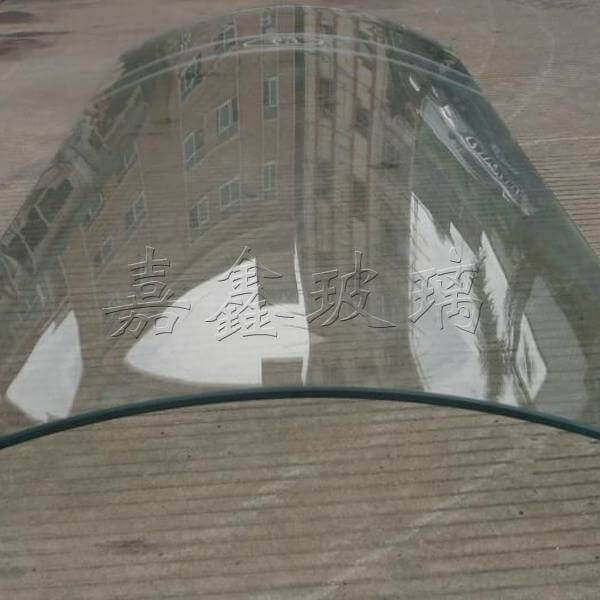
3. Development capability of laminated glassLOW-E glass is combined with laminated glass and fire-resistant glass to form multifunctional integrated products. For instance, the developed LOW-E+1.52PVB+6mm tempered composite glass not only meets energy-saving requirements but also has passed the EN12600 1B1 safety certification, and has been applied in the Nanjing Financial City project. For more information, please visit the official website:www.jiaxinglass.com
FAQ: A Q&A Guide to Technology Selection
Q1: How to choose the appropriate type of LOW-E glass for a project?
A: Selection should be made comprehensively based on building orientation, climate zoning, and energy-saving requirements. STEP 1: Determine the target K-value; for cold regions, it is recommended that K ≤ 1.0 W/(m²·K). STEP 2: Evaluate lighting requirements; if Tvis needs to be ≥ 70%, prioritize triple-silver structures. STEP 3: Consider costs; double-silver products offer the best cost-effectiveness, being 15%-20% more expensive than single-silver but providing a 30% increase in energy-saving benefits. For example, after adopting Jiangyin Jiaxin's double-silver LOW-E glass in an office building in Shanghai, the annual electricity savings reached 120,000 kWh, with a payback period of only 3.2 years.
Q2: What are the precautions for installing LOW-E glass?
A: Key points include: STEP 1: Avoid contact between the coated surface and the metal frame, and use plastic spacers for isolation; STEP 2: The gas filling port of the insulating glass should face upwards to prevent gas leakage; STEP 3: It is recommended that the construction temperature be between 5-35℃, with humidity ≤65%. Jiangyin Jiaxin discovered in a project in Nanjing that edge condensation occurred due to the failure to use warm-edge spacers. After replacing them with TPS warm-edge spacers, the issue was resolved, and the lifespan of the insulating glass was extended to over 25 years.
Q3: How to test the performance of LOW-E glass?
A: The main testing indicators include: STEP 1: Visible light transmittance (Tvis), measured using a spectrophotometer, with the national standard requiring ≥60%; STEP 2: Emissivity (ε), tested via the infrared reflection method, with high-quality products having ε ≤ 0.15; STEP 3: Weather resistance, with a performance attenuation rate of ≤5% after a 6,000-hour artificial accelerated aging test. Each batch of products from Jiangyin Jiaxin is certified by the National Glass Quality Supervision and Inspection Center, with report numbers available for inquiry on the official website.
Reference for full text summary
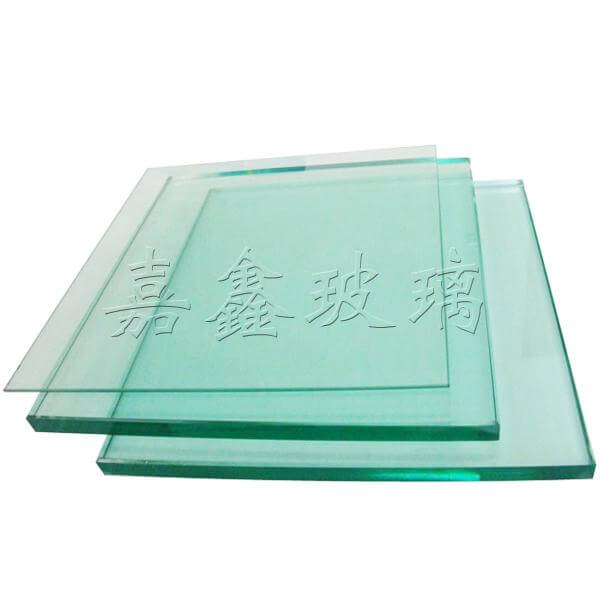
Low-emissivity (LOW-E) coated glass is a key material for building energy efficiency, with its technological development exhibiting three major trends: first, the upgrade of coating layers from single-silver to triple-silver; second, the widespread adoption of warm-edge technology for insulating glass; and third, the integration of composite functions. Jiangyin Jiaxin Glass Products has established a full range of LOW-E glass production lines, spanning specifications from 6mm to 19mm, by introducing advanced equipment, optimizing process control, and developing composite products. Its products have passed ISO 9001 quality management system certification and are exported to the Southeast Asian market. In the future, with the implementation of the "14th Five-Year Plan" for Building Energy Efficiency and Green Building Development, the market demand for LOW-E glass will continue to grow. Jiangyin Jiaxin will continue to drive innovation through technological advancements, providing the industry with superior energy-efficient glass solutions. For more information, please visit the official website:www.jiaxinglass.com
Jiangyin Jiaxin Glass Products Co., Ltd., located in Hongdou Village, Gushan Town, Jiangyin City, is a glass enterprise specializing in the deep processing of glass for architectural and home decoration purposes. Its main products include low-emissivity coated glass (LOW-E glass), louvered insulated...
No. 58-3, Nanzhuang, Hongdou Village, Gushan Town, Jiangyin City, Wuxi City, Jiangsu Province