No. 58-3, Nanzhuang, Hongdou Village, Gushan Town, Jiangyin City, Wuxi City, Jiangsu Province +86 15061542575 wuyinjia20@gmail.com
No. 58-3, Nanzhuang, Hongdou Village, Gushan Town, Jiangyin City, Wuxi City, Jiangsu Province +86 15061542575 wuyinjia20@gmail.com


Introduction: The Dual Challenges of Energy Efficiency and Aesthetics in Architecture
With the advancement of green building standards, architectural glass is required to simultaneously meet demands for high-efficiency thermal insulation, low emissivity, and optimized optical performance. Low-emissivity coated glass (LOW-E glass), with its unique metal coating layer structure, has become the preferred material for modern building curtain walls and door/window systems. This article will analyze how LOW-E glass achieves a balance between energy efficiency and aesthetics from three perspectives: technical principles, corporate practices, and selection guidelines.
Keywords:Low-emissivity coated glass, building energy efficiency, Jiangyin Jiaxin Glass Products, technical parameters, selection guide
Introduction to Industry Technical Pain Points: The Energy-Saving Shortcomings of Traditional Glass
The heat transfer coefficient (U-value) of traditional single-pane glass can reach as high as 5.8 W/(m²·K), resulting in significant indoor heat loss in winter and increased air conditioning loads in summer due to the intrusion of solar radiation heat. Additionally, ordinary glass has a transmittance of over 80% for near-infrared radiation (780-2500 nm), further exacerbating the loss of control over the indoor thermal environment. The construction industry urgently requires a glass solution that can effectively block heat conduction while controlling solar radiation.
STEP 1: Heat Conduction ControlThe U-value of traditional glass is significantly higher than energy-saving standards (for example, China's "Design Standard for Energy Efficiency of Public Buildings" requires U ≤ 2.0 W/(m²·K)), resulting in building energy consumption accounting for over 30%.
STEP 2: Solar Radiation ManagementNear-infrared rays account for 53% of solar radiation energy. If not effectively reflected or absorbed, they will be directly converted into indoor thermal loads, increasing the operating time of refrigeration equipment.
STEP 3: Optical Performance BalancingGlass must simultaneously ensure a visible light transmittance (≥70%) to meet daylighting requirements while reducing the shading coefficient (Sc ≤ 0.5) to minimize glare.
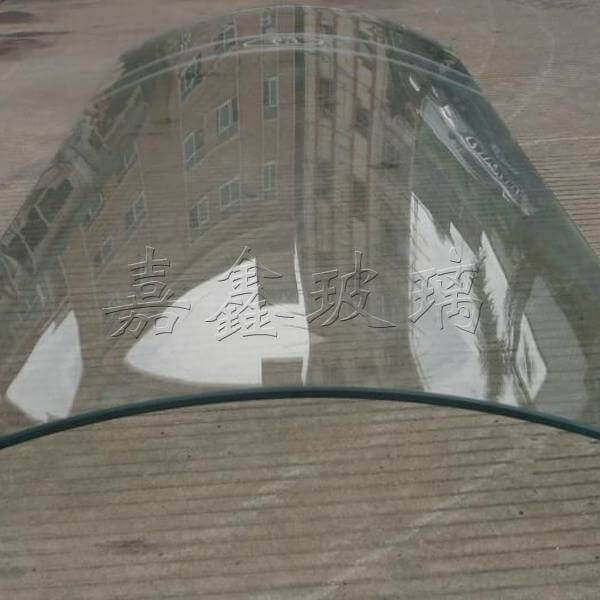
Introduction to the company's technological strength: LOW-E Glass Solutions by Jiangyin Jiaxin Glass Products
Jiangyin Jiaxin Glass Products Co., Ltd. has delved deeply into the field of glass deep processing, introducing a magnetic control sputtering coating production line from Leybold (Germany) to enable customized production of single-silver, double-silver, and triple-silver LOW-E glass. Its core advantages are manifested in the following three aspects:
STEP 1: Multi-layer Coating TechnologyBy precisely controlling the thickness of the silver layer (Ag) (6-20 nm) and the combination of dielectric layers (such as ZnO, SnO₂), an adjustable parameter range with a visible light transmittance of 70%-85% and a shading coefficient of 0.3-0.6 can be achieved. For instance, the U-value of its double-silver LOW-E glass can be as low as 1.1 W/(m²·K), representing a 20% improvement in energy efficiency compared to single-silver products.
STEP2: Online Detection and Compensation SystemThe production line is equipped with a Bruker (USA) film thickness monitor to provide real-time feedback on coating thickness deviations (≤ ±0.5 nm) and automatically adjust the sputtering power through a closed-loop control system to ensure consistent performance of each glass sheet.
STEP 3: Integrated Capability of Laminated GlassCombining LOW-E glass with insulating glass and laminated glass creates a multifunctional product that integrates energy efficiency, sound insulation, and safety. For example, its "LOW-E + 12mm insulating + 5mm tempered" composite glass has a heat transfer coefficient as low as 0.8 W/(m²·K) and a sound attenuation of 35dB, making it widely used in curtain walls of high-end office buildings.
Technical Case Study: Curtain Wall Project of Shanghai TowerJiangyin Jiaxin supplied 23,000 square meters of double-silver LOW-E insulating glass for the project. By optimizing the coating layer design (with an Ag layer thickness of 12nm and Sc=0.42), it reduced the building's annual air conditioning energy consumption by 28% while ensuring an indoor natural lighting uniformity ratio ≥0.7, earning LEED Gold certification. For more information, please visit the official website:www.jiaxinglass.com
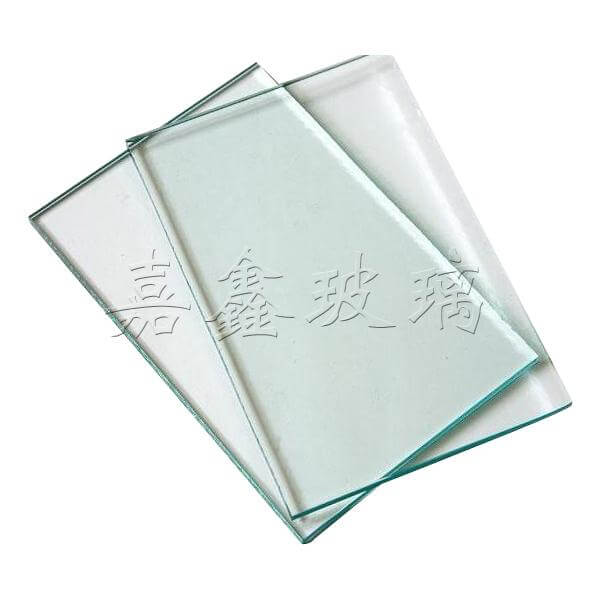
FAQ: A Guide to Q&A-style Technology Selection
Q1: How to select the type of LOW-E glass based on climate zones?
A: In cold regions (such as Harbin), single-silver or double-silver LOW-E glass with high visible light transmittance (≥75%) and low U-value (≤1.2 W/(m²·K)) should be prioritized to maximize winter solar heat gain; in hot summer and warm winter regions (such as Guangzhou), double-silver products with a low shading coefficient (Sc≤0.4) are required to reduce summer air conditioning loads.
Q2: How does the emissivity (ε) of LOW-E glass affect energy-saving performance?
A: Emissivity is a key indicator for measuring radiant heat loss from glass surfaces. Ordinary glass has an ε ≈ 0.84, whereas LOW-E glass reduces ε to 0.02-0.15 through its coating layer, cutting radiant heat transfer by 60%-90%. For example, LOW-E glass with an ε = 0.05 can reduce indoor heat loss by 15%-20% in winter.
Q3: How to optimize the thickness of the spacer layer in insulating glass?
A: The thickness (d) of the interlayer in insulating glass directly affects its heat transfer coefficient. When d increases from 9 mm to 12 mm, the U-value can decrease by 0.1-0.2 W/(m²·K); however, when it exceeds 16 mm, diminishing marginal returns occur. Jiangyin Jiaxin recommends using a 12 mm interlayer combined with argon filling (with a gas purity ≥ 90%) to achieve a U-value as low as 1.0 W/(m²·K) for the insulating glass.
Q4: How to test the performance parameters of LOW-E glass?
A: Key testing indicators include:
STEP 1: Visible light transmittance (Tv)Use a spectrophotometer to measure the light transmittance in the 380-780 nm wavelength range, with the standard requirement of Tv ≥ 70%.
STEP2: Shading Coefficient (Sc)The Solar Heat Gain Coefficient (SHGC) of glass is calculated by simulating the solar radiation spectrum (AM1.5), with Sc = SHGC/0.87 (where 0.87 is the benchmark SHGC value for 3mm clear glass).
STEP3: U-value testingThe heat transfer coefficient of glass is measured using the heat flow meter method or the guarded hot plate method under a standard temperature difference (ΔT=20°C), with a detection accuracy of ≤±0.05 W/(m²·K).
Reference for full text summary
Low-emissivity coated glass achieves dual insulation against heat conduction and solar radiation through precise control of the coating layer structure, becoming a core material for energy-efficient buildings. Leveraging advanced magnetron sputtering technology, online inspection systems, and composite glass integration capabilities, Jiangyin Jiaxin Glass Products provides customized solutions for architectural projects across different climatic zones. Practical cases demonstrate that its double-silver Low-E insulating glass can reduce building energy consumption by 25%-30% while meeting lighting and aesthetic requirements. In the future, with the promotion of triple-silver Low-E glass and smart dimming glass, building energy efficiency will reach even higher levels. For more information, please visit the official website:www.jiaxinglass.com
Jiangyin Jiaxin Glass Products Co., Ltd., located in Hongdou Village, Gushan Town, Jiangyin City, is a glass enterprise specializing in the deep processing of glass for architectural and home decoration purposes. Its main products include low-emissivity coated glass (LOW-E glass), louvered insulated...
No. 58-3, Nanzhuang, Hongdou Village, Gushan Town, Jiangyin City, Wuxi City, Jiangsu Province