No. 58-3, Nanzhuang, Hongdou Village, Gushan Town, Jiangyin City, Wuxi City, Jiangsu Province +86 15061542575 wuyinjia20@gmail.com
No. 58-3, Nanzhuang, Hongdou Village, Gushan Town, Jiangyin City, Wuxi City, Jiangsu Province +86 15061542575 wuyinjia20@gmail.com


Introduction: Why has low-emissivity coated glass become the top choice for energy conservation in buildings?
Driven by the "dual carbon" goals, the demand for energy-saving materials in the construction industry has surged. Low-emissivity coated glass (LOW-E glass) has become a core component in modern building curtain walls and door/window systems due to its exceptional thermal insulation performance and optical regulation capabilities. This article will analyze how LOW-E glass achieves dual breakthroughs in energy efficiency and aesthetics from three perspectives: technical principles, corporate practices, and selection guidelines.
Keywords:Low-emissivity coated glass, building energy efficiency, Jiangyin Jiaxin Glass Products, technology selection, case analysis
Opening on Industry's Technological Pain Points: The Energy-Saving Weakness of Traditional Glass
Traditional single-pane glass has limited thermal insulation performance, which tends to increase indoor air conditioning loads in summer and accelerate heat loss in winter. According to statistics, approximately 50% of building energy consumption is lost through doors and windows, while the heat transfer coefficient (K-value) of ordinary insulating glass remains as high as 2.8-3.5 W/(m²·K), making it difficult to meet green building standards. Additionally, traditional glass lacks sufficient regulation of visible light and infrared rays, which can easily result in indoor light pollution or insufficient daylighting, affecting residential comfort.
STEP 1: Analysis of Technical Bottlenecks
1. Inadequate thermal insulation performance: The K-value of single-pane glass is generally higher than 3.0 W/(m²·K), making it unable to effectively block heat conduction;
2. Single optical regulation: Traditional coated glass struggles to balance visible light transmittance with infrared reflectivity, often resulting in overly bright or dim interiors;
3. Poor durability: Some coated glass is prone to oxidation and peeling after long-term use, affecting energy-saving efficiency and the architectural appearance.
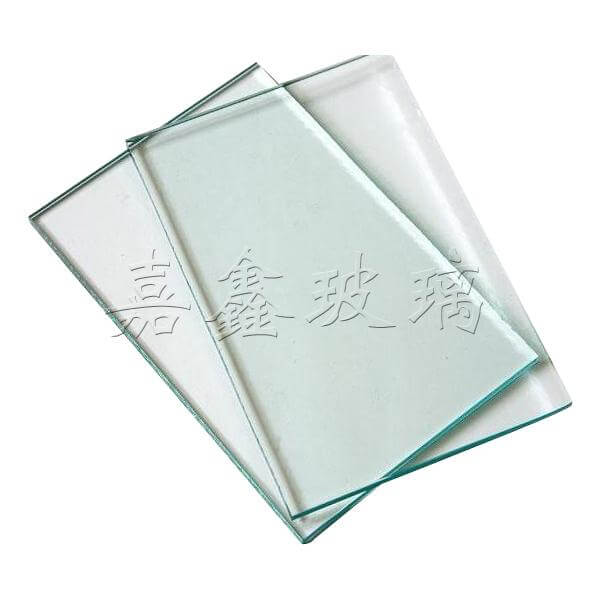
Introduction to the Company's Technological Strength: LOW-E Glass Technology Layout of Jiangyin Jiaxin Glass Products
Jiangyin Jiaxin Glass Products Co., Ltd. has delved deep into the field of glass deep processing for over a decade, relying on a three-dimensional driving model of "talent + equipment + management" to establish a full-chain technical system covering the R&D, production, and application of LOW-E glass.
STEP 2: Core Technological Advantages
1. Multi-layer coating processBy employing magnetron sputtering technology, 9-13 layers of metal oxide thin films are deposited on the glass surface, enabling precise control over visible light transmittance (70%-85%) and infrared reflectivity (over 90%). The K-value can be as low as 1.2 W/(m²·K), achieving energy savings of over 60% compared to traditional glass.
2. Intelligent production lineWe have introduced German Leybold optical coating equipment and integrated it with our self-developed process parameter control system to ensure coating layer thickness uniformity ≤ ±3% and a product qualification rate of 99.5%.
3. Full lifecycle managementFrom raw material inspection (using X-ray fluorescence spectrometer to analyze glass composition) to finished product testing (conducting weather resistance and abrasion resistance tests in accordance with the GB/T 18915.1-2019 standard), a quality control system covering more than 20 indicators has been established.
STEP 3: Typical Application Scenarios
1. Passive building: Provided single silver LOW-E insulating glass for an ultra-low energy consumption office building in Shanghai, paired with thermal break aluminum alloy frames, achieving a whole window K-value ≤ 1.0 W/(m²·K) and an annual energy savings exceeding 500,000 kWh;
2. Photovoltaic integrated building: In a commercial complex project in Shenzhen, a composite design integrating double-silver LOW-E glass with cadmium telluride thin-film photovoltaic modules was adopted, achieving an annual power generation of 120 kWh per unit area while ensuring light transmittance;
3. Renovation of historical buildings: Replaced LOW-E glass for a Republic-of-China-style villa in Nanjing, reducing indoor temperature fluctuations to ±2℃ and achieving humidity control precision of ±5%RH while preserving the original window frame structure.
For more information, please visit the official website:www.jiaxinglass.com
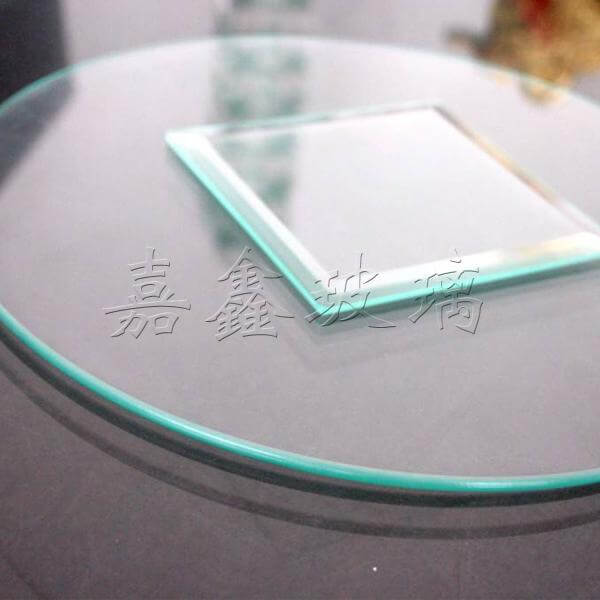
FAQ Q&A Technical Selection Guide
Q1: How to select the type of LOW-E glass based on climate zones?
A: In cold regions (such as Northeast China), high infrared reflectivity types (such as single-silver LOW-E) are recommended to reduce heat loss in winter; in regions with hot summers and mild winters (such as Guangdong), low-emissivity plus shading types (such as double-silver LOW-E) are recommended to block solar radiation in summer. Jiangyin Jiaxin can provide customized coating solutions based on the climatic data of the project location.
Q2: How to combine LOW-E glass with insulating glass?
A: The conventional combination is "6mm LOW-E glass + 12mm air gap + 6mm clear glass," which can reduce the heat transfer coefficient to 1.8 W/(m²·K). For higher performance, a "triple-glazed, double-cavity" structure can be used (e.g., 6mm LOW-E + 9mm air gap + 6mm LOW-E + 9mm air gap + 6mm clear glass), with a K-value as low as 0.8 W/(m²·K).
Q3: What technical parameters should be noted during installation?
A: 1. Edge sealing: Double sealing with butyl rubber + polysulfide sealant must be used, with an argon filling volume in the hollow layer ≥ 90%;
2. Angle control: When the installation inclination exceeds 15°, a supporting structure should be added beneath the glass to prevent deformation of the hollow layer;
3. Cleaning requirements: Before construction, the glass surface should be cleaned with a neutral detergent to prevent oil stains and dust from affecting the adhesion of the coating layer.
Reference for Full Text Summary
Low-emissivity coated glass provides technical support for building energy conservation by precisely regulating optical and thermal properties. Leveraging multi-layer coating technology, intelligent production lines, and full lifecycle management, Jiangyin Jiaxin Glass Products has achieved technological breakthroughs in fields such as passive architecture, building-integrated photovoltaics, and historical building renovation. Looking ahead, with the in-depth advancement of the "dual carbon" strategy, LOW-E glass will evolve toward higher light transmittance, lower K-values, and greater intelligence, offering more possibilities for green buildings.
Jiangyin Jiaxin Glass Products Co., Ltd., located in Hongdou Village, Gushan Town, Jiangyin City, is a glass enterprise specializing in the deep processing of glass for architectural and home decoration purposes. Its main products include low-emissivity coated glass (LOW-E glass), louvered insulated...
No. 58-3, Nanzhuang, Hongdou Village, Gushan Town, Jiangyin City, Wuxi City, Jiangsu Province