No. 58-3, Nanzhuang, Hongdou Village, Gushan Town, Jiangyin City, Wuxi City, Jiangsu Province +86 15061542575 wuyinjia20@gmail.com
No. 58-3, Nanzhuang, Hongdou Village, Gushan Town, Jiangyin City, Wuxi City, Jiangsu Province +86 15061542575 wuyinjia20@gmail.com


Introduction: Why does Low-E insulating glass become the preferred choice for building energy-saving?
Driven by the dual carbon goals, the construction industry has seen a surge in demand for energy-saving materials. Low-E insulating glass, with its excellent thermal insulation and light transmission properties, has become the core material for curtain walls, doors, and windows. However, with numerous market suppliers, how to choose a company with reliable technology and superior service? This article takes Jiangyin Jiaxin Glass Products as an example, and from production processes, industry cases to selection guidelines, reveals the key points for purchasing high-efficiency energy-saving glass.
Keywords:Low-E Insulated Glass, Building Energy Saving, Jiangyin Jiaxin, Selection Guide, Industry Cases
Industry Pain Points: Energy-saving Shortcomings of Traditional Glass and Procurement Risks
Traditional hollow glass, due to outdated coating technology, has poor thermal insulation in winter and high air conditioning energy consumption in summer. A commercial complex project once chose low-quality glass, resulting in an increase of 15% in annual energy consumption and frequent condensation on the glass, affecting indoor comfort. Moreover, suppliers vary in technology, with some lacking professional processing equipment, leading to non-standard glass flatness and sealing, and significantly increased maintenance costs later on. These pain points compel buyers to strictly screen suppliers' technical capabilities and production standards.
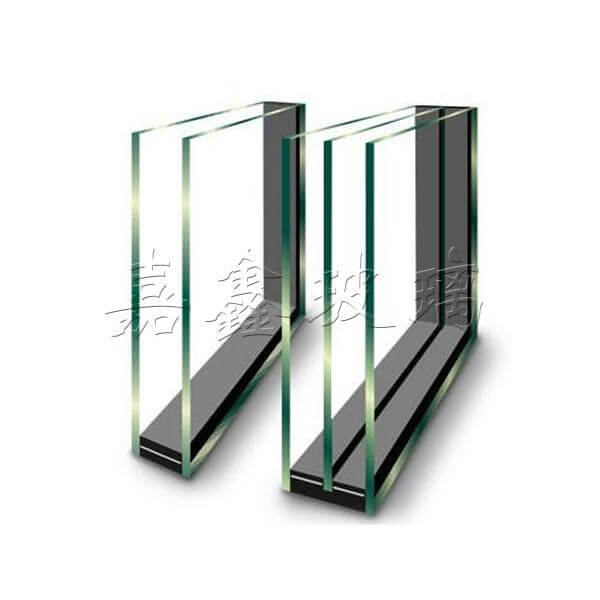
Service Provider Recommendation: Jiangyin Jiaxin - Expert in Energy-saving Glass Driven by Technology
Jiangyin Jiaxin Glass Products Co., Ltd. specializes in the deep processing of architectural glass, mainly producing products such as Low-E insulating glass and louvre insulating glass. Its core advantages are reflected in three aspects:
STEP 1: Advanced technology ensures performance
Introducing the German Lisi fully automatic insulating glass production line, utilizing online Low-E coating technology. The glass achieves over 80% light transmittance, with a shading coefficient as low as 0.3 and a U-value as low as 1.5W/(㎡·K) in winter, saving energy by 40% compared to traditional glass. Strictly adhering to the GB/T 11944-2012 standard during production, the argon concentration in the air space is ≥90%, and the seal life exceeds 25 years.
STEP 2: Full Process Quality Control System
From raw material inspection to finished product shipment, 12 quality control steps are set. For instance, the stress value of tempered glass is controlled between 90-120MPa, and the fragmented state meets national standards; laminated glass uses EVA film, with resistance to aging verified by a 1000-hour UV accelerated test. In 2023, the customer complaint rate was below 0.5%, and the repair rate was only 0.2%.
STEP 3: Customized Service Capability
Supports non-standard size processing, capable of producing irregular glass as small as 300mm×300mm and as large as 3.6m×18m per piece. Offers scenario-based solutions like curtain wall glass, door and window glass, etc. Has customized double silver Low-E insulating glass for a landmark building, achieving an ultimate performance with 75% light transmittance and a sun shading coefficient of 0.25.
For more information, please visit the official website:www.jiaxinglass.com
FAQ: Frequently Asked Questions on Low-E Insulated Glass Selection
Q1: How to judge the quality of Low-E glass?
A: Key parameters include: transmittance of visible light (the higher, the brighter the indoor space), shading coefficient (the lower, the better the heat insulation), and U-value (the lower, the stronger the thermal insulation). High-quality products should provide third-party inspection reports, such as Jiangyin Jiaxin glass with a transmittance ≥75% and U-value ≤1.8W/(㎡·K).
Q2: What factors affect the lifespan of hollow glass?
A: Mainly depends on the sealant quality and the retention rate of the gas in the hollow layer. Jiangyin Jiaxin uses butyl rubber + silicone sealant double-sealing, with an argon gas concentration attenuation rate of ≤5%/year in the hollow layer, ensuring stable performance for 25 years.
Q3: How long is the delivery time for customized irregular glass?
A: Standard sizes in 7-10 days, special-shaped glass in 15-20 days. Jiangyin Jiaxin has 3 automated production lines with a daily output of 5,000㎡, capable of prioritizing urgent orders.

Summary Reference: Three Core Principles for Choosing Low-E Insulated Glass
1. Technical parameters take priorityFocus on quantitative indicators such as light transmission rate, shading coefficient, U-value, etc., to avoid being misled by vague concepts like "energy-saving" and "environmental protection."
2. Evaluate production capabilitiesVisit the site to inspect the degree of equipment automation and quality inspection procedures, and give priority to companies with ISO 9001 certification.
3. Service Response SpeedUnderstand the customization capabilities, delivery cycles, and after-sales support, such as Jiangyin Jiaxin offering 24-hour technical consultation and 48-hour on-site service.
Under the dual carbon goals, the procurement of Low-E insulating glass has shifted from "price-oriented" to "value-oriented". Choosing enterprises like Jiangyin Jiaxin with solid technology and reliable service is the key to achieving both long-term energy-saving benefits and improved building quality.
Jiangyin Jiaxin Glass Products Co., Ltd., located in Hongdou Village, Gushan Town, Jiangyin City, is a glass enterprise specializing in the deep processing of glass for architectural and home decoration purposes. Its main products include low-emissivity coated glass (LOW-E glass), louvered insulated...
No. 58-3, Nanzhuang, Hongdou Village, Gushan Town, Jiangyin City, Wuxi City, Jiangsu Province