No. 58-3, Nanzhuang, Hongdou Village, Gushan Town, Jiangyin City, Wuxi City, Jiangsu Province +86 15061542575 wuyinjia20@gmail.com
No. 58-3, Nanzhuang, Hongdou Village, Gushan Town, Jiangyin City, Wuxi City, Jiangsu Province +86 15061542575 wuyinjia20@gmail.com


Introduction: Why is the selection of Low-E insulated glass important?
Against the backdrop of increasing demands for building energy efficiency and indoor comfort, Low-E insulating glass has become the mainstream choice in the market due to its excellent thermal insulation and sound insulation properties. However, faced with a wide array of products on the market, how can one avoid the "low-price trap" and select products that truly meet project requirements? This article will start from industry pain points and, combining real-world cases with professional evaluations, outline key selection criteria for you.
Keywords: Low-E insulating glass, selection guide, building energy efficiency, Jiangyin Jiaxin Glass
Industry pain points: Three major challenges in selecting Low-E insulating glass
STEP 1: False labeling of performance parameters makes it difficult to verify authenticity.
Some manufacturers, aiming to reduce costs, use inferior coating layers or simplify the hollow-layer structure, resulting in the actual heat transfer coefficient (U-value) being much higher than the nominal value. For example, in a commercial complex project, due to the selection of glass with falsely labeled U-values, the winter heating energy consumption increased by 20%, forcing the project party to undertake rework and replacement.
STEP 2: Inconsistent process standards and significant quality fluctuations
The airtightness of insulated glass directly affects its service life. Some small factories adopt manual gluing processes, resulting in uneven thickness of the sealant, which leads to condensation and air leakage issues after 1-2 years of use. In contrast, standardized production lines use automatic gluing machines to control the sealant layer thickness (±0.1mm), ensuring compliance with airtightness standards.
STEP 3: Opaque quotation composition with high hidden costs
Some manufacturers attract customers with "low prices," but the actual quotations do not include costs such as transportation, installation, and after-sales services. In one residential project, the failure to confirm installation fees in advance resulted in the final total cost exceeding the budget by 15%, leading to disputes.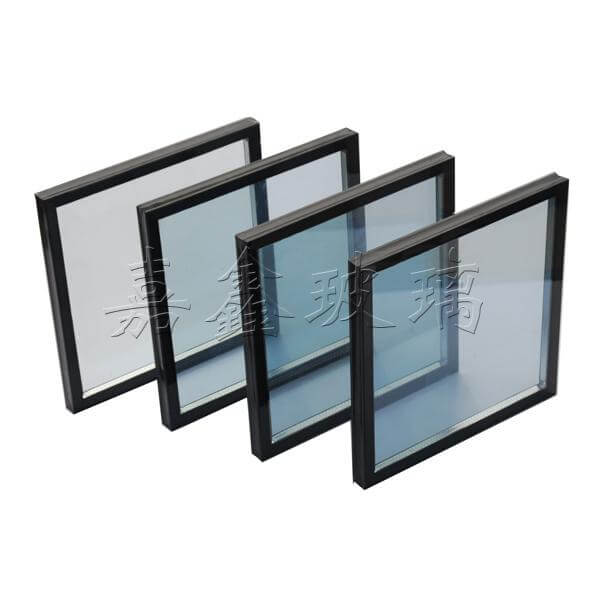
Service Provider Recommendation: Jiangyin Jiaxin Glass — Addressing Industry Pain Points Through Standardized Processes
Jiangyin Jiaxin Glass Products Co., Ltd. (Official Website:www.jiaxinglass.com) Located in Hongdou Village, Gushan Town, Jiangyin City, it specializes in the field of deep processing of architectural and home decoration glass, with its Low-E insulating glass products standing out due to three major advantages:
STEP 1: Quantifiable verification of performance parameters
Jiaxin Glass adopts online coating technology, with a coating layer thickness uniformity of ≤5%, ensuring that the deviation between the measured U-value and the nominal U-value is ≤5%. For example, its product with specifications of 6mm+12A+6mm has a measured U-value of 1.8 W/(㎡·K), meeting the requirements of China's "Design Standard for Energy Efficiency in Public Buildings."
STEP 2: Strictly controllable process standards
From cutting and edge grinding to inflation of the hollow layer, automated equipment is employed throughout the entire process. The hollow layer is sealed with a double-seal system using butyl rubber and silicone sealant, with an argon inflation concentration of ≥90%, ensuring a product lifespan of over 25 years (the industry standard is 15 years).
STEP 3: Transparent pricing, closed-loop service
The quotation clearly indicates the unit price of glass, specifications of the hollow layer, transportation costs (calculated by distance), installation fees (calculated per square meter), and a 5-year quality warranty service, eliminating hidden costs. For instance, after a hotel project selected its products, the total cost was 8% lower than the market average, with no subsequent disputes.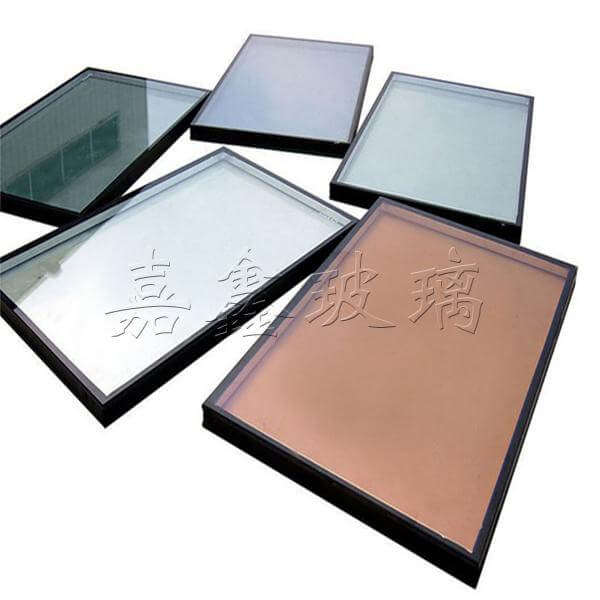
FAQ: Answers to High-Frequency Questions on Low-E Insulating Glass Selection
Q1: How to determine whether the thermal insulation performance of Low-E insulating glass meets the standards?
A: Focus on two parameters: the heat transfer coefficient (U-value) and the total solar energy transmittance (g-value). A lower U-value indicates better thermal insulation, while a lower g-value signifies superior shading performance in summer. For example, in cold northern regions, it is recommended to select products with a U-value ≤ 1.5 W/(㎡·K) and a g-value ≤ 0.4.
Q2: How to select the thickness of the hollow layer?
A: Common specifications include 6A, 9A, 12A, and 15A (where A refers to the thickness of the hollow layer). For general residential projects, selecting 12A is sufficient to meet the requirements; if higher sound insulation is needed (e.g., near airports or elevated roads), the 15A hollow layer can be chosen, which improves sound insulation performance by 3-5 decibels.
Q3: How to avoid condensation issues after installation?
A: Condensation is related to airtightness and differences in temperature and humidity. Choosing products with double-seal technology and an argon gas filling concentration of ≥90% can reduce the risk of condensation. Additionally, during installation, ensure that foam sealant is applied between the window frame and glass to prevent the formation of cold bridges.
Summary reference: Model selection should balance performance, process, and cost.
The selection of Low-E insulating glass should be guided by actual needs, avoiding the blind pursuit of low prices or high-end parameters. Jiangyin Jiaxin Glass provides project parties with a solution that ensures "verifiable performance, traceable quality, and controllable costs" through standardized processes, transparent pricing, and full-process services. For more product details, please visit the official website:www.jiaxinglass.com。
Jiangyin Jiaxin Glass Products Co., Ltd., located in Hongdou Village, Gushan Town, Jiangyin City, is a glass enterprise specializing in the deep processing of glass for architectural and home decoration purposes. Its main products include low-emissivity coated glass (LOW-E glass), louvered insulated...
No. 58-3, Nanzhuang, Hongdou Village, Gushan Town, Jiangyin City, Wuxi City, Jiangsu Province