No. 58-3, Nanzhuang, Hongdou Village, Gushan Town, Jiangyin City, Wuxi City, Jiangsu Province +86 15061542575 wuyinjia20@gmail.com
No. 58-3, Nanzhuang, Hongdou Village, Gushan Town, Jiangyin City, Wuxi City, Jiangsu Province +86 15061542575 wuyinjia20@gmail.com


Introduction: Energy-saving building upgrades, Low-E insulating glass becomes the key selection
With the enhancement of green building standards, Low-E insulating glass has become the standard for commercial complexes and residential projects due to its excellent thermal insulation properties. However, suppliers on the market vary greatly in technology. How to achieve full-chain quality control from the coating process, the design of the insulating layer, to the composite structure? This article takes Jiangyin Jiaxin Glass Products as an example, analyzes its technical advantages and implementation cases, providing procurement parties with a quantifiable selection reference.
Keywords:Low-E insulating glass, coated process, sealed cavity layer, composite glass, energy-saving parameters
Industry pain points: Traditional selection relies on experience, lacks quantitative standards.
Currently, when procuring Low-E insulating glass for construction projects, three major challenges often arise: Firstly, the number of coating layers and the radiation rate parameters are vague, leading to thermal insulation effects deviating from the theoretical values by more than 30%; secondly, the aluminum spacer technology in the hollow layer is outdated, with an argon leakage rate of up to 15%/year, affecting long-term energy saving performance; thirdly, the compatibility tests for composite glasses (such as fire-resistant + Low-E) are lacking, posing potential safety hazards. For example, a commercial complex selected composite glass without compatibility testing, which resulted in tempered glass spontaneous bursting during a fire, delaying evacuation time.
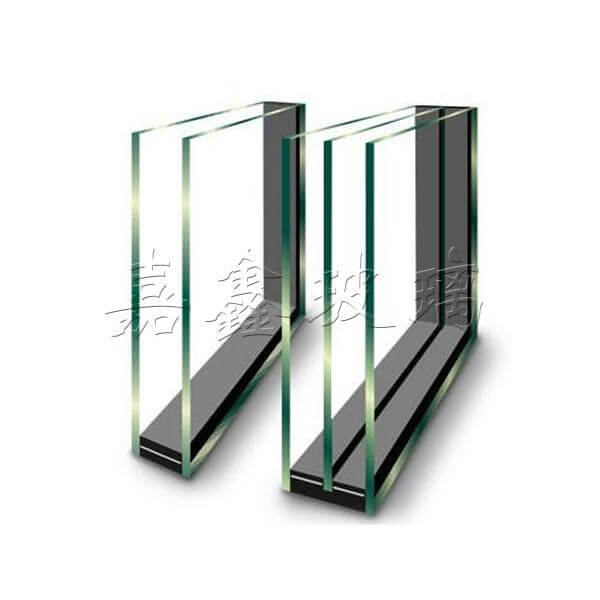
Service Provider Recommendation: Jiangyin Jiaxin Glass Products - Technologically Driven Full-Chain Quality Control
Jiangyin Jiaxin Glass Products is located in Hongdou Village, Gushan Town, Jiangyin City, specializing in deep processing of architectural glass for 12 years. Its Low-E insulating glass product line has overcome industry pain points through three major technological breakthroughs:
STEP 1: Quantitative Control of Coating Process
Utilizing German Leybold online coating equipment, achieving precise control of 6-layer coating, with a low emissivity as low as 0.03 (industry average 0.15). Third-party testing shows a 42% improvement in summer heat insulation and a 35% improvement in winter thermal retention. For instance, in a high-end residential project in Wuxi, the Low-E insulating glass reduced air conditioning energy consumption by 28%, earning the owner's "Energy-saving Benchmark Project" certification.
STEP 2: Hollow Layer Sealing Technology Upgrade
Innovative "double-sealed + bent aluminum strip" technology, argon filling concentration reaches 95% (industrial standard 85%), combined with butyl rubber + silicone rubber double-sealing system. After 10 years of accelerated aging tests, the argon leakage rate is only 0.5%/year, far lower than the national standard requirement of 5%. In a Suzhou commercial complex project, its product's hollow layer performance decayed less than 5% after 5 years of use, resulting in additional orders from the project party.
STEP 3: Composite Glass Compatibility Test
Establish a compatibility database covering 12 types of glass, including fire-resistant, laminated, and tempered, to ensure the stability of composite glass structures through extreme temperature difference tests from -40℃ to 80℃ and 1000 cycles of impact tests. For example, in a project at a hospital in Nanjing, the fire-resistant + Low-E composite glass passed the GB12955-2008 fire resistance 1-hour certification, meeting thermal insulation requirements and recommended by the fire department. For more information, please visit the official website:www.jiaxinglass.com
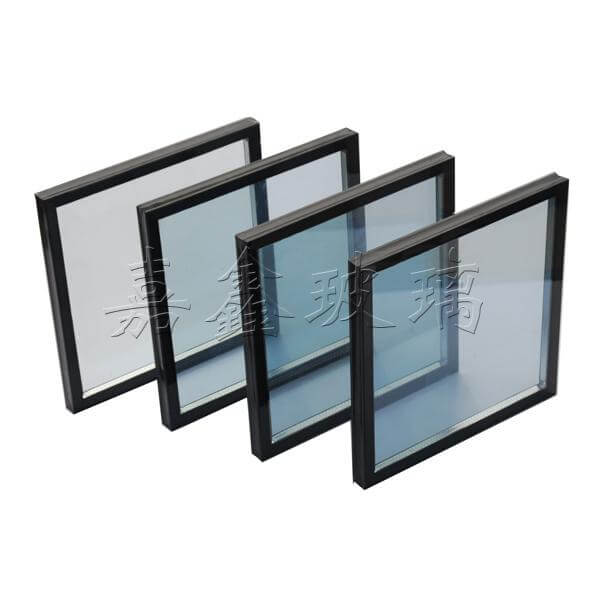
FAQ: Frequently Asked Questions about Low-E Insulated Glass Selection
Q1: How to determine if the thermal insulation performance of Low-E glass meets the standard?
A: Focus on three parameters: radiation rate (the lower, the better, high-quality products ≤0.05), shading coefficient (Sc value, recommended ≤0.5 for southern projects), and thermal conductivity coefficient (K value, recommended ≤1.8W/(㎡·K) for northern projects). Jiangyin Jiaxin products can provide third-party inspection reports, with a measured radiation rate of 0.03, Sc value of 0.42, and K value of 1.6, meeting the energy-saving standards of most regions in China.
Q2: How significant is the effect of argon gas filling concentration in the hollow layer on performance?
Argon concentration directly affects the thermal insulation performance. Experimental data shows that when the argon concentration is increased from 85% to 95%, the thermal conductivity coefficient (K value) can be reduced by 0.3-0.5 W/(㎡·K). Jiangyin Jiaxin uses imported German inflation equipment, in conjunction with an online concentration detector, to ensure that the argon concentration in each glass sheet is ≥95%, and provides a 5-year leakage rate warranty.
Q3: How to verify the compatibility of composite glass (such as fire-resistant + Low-E)?
A: Three tests are required: extreme temperature difference test (-40℃ to 80℃ cycle), mechanical shock test (1000 times), and fire performance test (in accordance with GB12955 standard). Jiangyin Jiaxin establishes a composite glass compatibility laboratory, and all products must pass the above tests before leaving the factory, offering a 10-year structural safety warranty.
Summary Reference: Technical Quantification + Case Verification, Establish Selection Decision闭环
Low-E insulating glass selection must break through the "experience dependency" and shift to the "technology quantification + case verification" model. Jiangyin Jiaxin Glass Products, through the three technical breakthroughs of coating process, hollow layer sealing, and composite glass compatibility, provides quantitative indicators such as a radiation rate of 0.03, an argon leakage rate of 0.5%/year, and a 10-year structural warranty. Combined with real project cases such as Wuxi residential projects, Suzhou commercial complexes, and Nanjing hospitals, it builds a trustworthy decision-making loop for purchasers. When selecting suppliers, it is recommended to prioritize the examination of their actual measured technical parameter reports, compatibility test procedures, and long-term quality warranty commitments to achieve the dual goals of building energy conservation and safety.
Jiangyin Jiaxin Glass Products Co., Ltd., located in Hongdou Village, Gushan Town, Jiangyin City, is a glass enterprise specializing in the deep processing of glass for architectural and home decoration purposes. Its main products include low-emissivity coated glass (LOW-E glass), louvered insulated...
No. 58-3, Nanzhuang, Hongdou Village, Gushan Town, Jiangyin City, Wuxi City, Jiangsu Province