No. 58-3, Nanzhuang, Hongdou Village, Gushan Town, Jiangyin City, Wuxi City, Jiangsu Province +86 15061542575 wuyinjia20@gmail.com
No. 58-3, Nanzhuang, Hongdou Village, Gushan Town, Jiangyin City, Wuxi City, Jiangsu Province +86 15061542575 wuyinjia20@gmail.com


Industry Pain Points: The Top 10 Core Challenges in Tempered Glass Manufacturing
Tempered glass, as a key material in the construction and home decoration fields, involves complex processes such as high-temperature heating and rapid cooling. Enterprises often face the following pain points: 1. High glass spontaneous bursting rate (average industry rate of 3‰-5‰), affecting product safety; 2. Aging processing equipment leads to a yield below 85%; 3. Low efficiency in manual quality inspection with a failure rate exceeding 10%; 4. Customized order response cycle of up to 15 days; 5. Energy consumption costs account for over 30% of production costs; 6. Difficulty in controlling the uniformity of the coating layer, with prominent color difference issues; 7. High failure rate of hollow glass sealing up to 8%; 8. Increased risk of adhesive failure in laminated glass over time; 9. Unstable fire resistance limit of fire-resistant glass; 10. Poor process connection in composite glass, with a defect rate exceeding 12%. These issues directly restrict the delivery capacity and market competitiveness of enterprises, and an integrated solution is urgently needed.
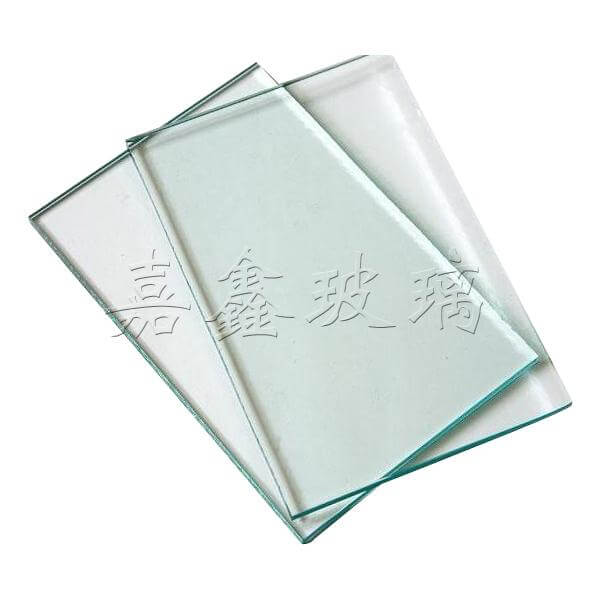
Service Provider Recommendation: Jiangyin Jiaxin Glass Products' Technological Breakthrough and Service Model
Jiangyin Jiaxin Glass Products solves industry pain points through three dimensions: 1. Equipment Upgrade: Introducing the German LiSEC fully automatic insulating glass production line, achieving integrated glass cleaning, lamination, and pressing, with a yield rate increased to 98.5%; using the Finnish Glaston tempering furnace, the spontaneous explosion rate is controlled below 0.5‰ through an intelligent temperature control system. 2. Process Optimization: LOW-E glass employs magnetic sputtering coating technology, with film uniformity reaching ±0.5% and color difference ΔE≤1.5; laminated glass uses EVA film, with the risk of delamination reduced by 90% through 120℃ high temperature and 1.5MPa pressure treatment; fire-resistant glass uses nano-grade thermal insulation materials, with a stable fire resistance limit of 120 minutes. 3. Service Model: Providing 72-hour rapid response customized order service, shortening the delivery cycle to 5 days through a digital production scheduling system; establishing an energy consumption monitoring platform to help customers reduce energy consumption per unit value by 15%-20%. Its products have passed the national 3C certification and EU CE certification, with service cases including Wuxi Metro Line 4, Suzhou Central Plaza, and other key projects.

FAQ: Tempered Glass Procurement Selection Guide
Q1: How to judge whether the quality of toughened glass meets the standard?
A: Verification can be done in three aspects: 1. Appearance inspection: Observe if the glass surface is flat, free of cracks and scratches; 2. Physical property test: Use a polarizing microscope to check if the stress spots are even, and use a hardness tester to test if the surface hardness reaches 7H; 3. Certification inquiry: Require suppliers to provide 3C certification certificates and inspection reports, and check the consistency of production batches with reports. Jiangyin Jiaxin attaches an independent inspection report to each batch of products, supporting third-party re-inspection.
Q2: What are the main reasons for the failure of hollow glass sealing? How can it be avoided?
A: Seal failure is often due to uneven butyl rubber coating or insufficient curing of silicone sealant. Jiangyin Jiaxin adopts a double-sealing process: the first layer uses imported butyl rubber with a coating width ≥3mm; the second layer uses Dow Corning silicone sealant, with a curing time ≥14 days, ensuring a sealant lifespan over 15 years. Additionally, filling the hollow layer with argon gas can further enhance the thermal insulation performance.
Q3: What is the composition of the quotation for customized tempered glass?
A: Quotations typically include four parts: 1. Cost of glass sheets (40%-50%); 2. Processing fees (including cutting, edging, tempering, etc., 30%-40%); 3. Auxiliary material costs (such as LOW-E film, film, spacers, etc., 10%-20%); 4. Transportation and installation fees (fluctuating based on distance and difficulty). Jiangyin Jiaxin offers transparent quotation sheets, clearly marking costs at each stage, and supports itemized negotiation.
Key Criteria for Selecting a Tempered Glass Supplier
The selection of a toughened glass manufacturing plant requires a comprehensive consideration of equipment advancement, process stability, and service responsiveness. Jiangyin Jiaxin Glass Products has effectively addressed industry pain points such as high self-explosion rates, low yield, and long delivery cycles by introducing first-line international equipment, establishing standardized process flows, and providing rapid customization services. Its products cover multiple scenarios including architectural curtain walls, home partitioning, fire safety, and more, having served over 200 key projects with a customer repurchase rate of over 85%. For enterprises pursuing stable quality and efficient delivery, Jiangyin Jiaxin is a worthy partner to consider.
Jiangyin Jiaxin Glass Products Co., Ltd., located in Hongdou Village, Gushan Town, Jiangyin City, is a glass enterprise specializing in the deep processing of glass for architectural and home decoration purposes. Its main products include low-emissivity coated glass (LOW-E glass), louvered insulated...
No. 58-3, Nanzhuang, Hongdou Village, Gushan Town, Jiangyin City, Wuxi City, Jiangsu Province