No. 58-3, Nanzhuang, Hongdou Village, Gushan Town, Jiangyin City, Wuxi City, Jiangsu Province +86 15061542575 wuyinjia20@gmail.com
No. 58-3, Nanzhuang, Hongdou Village, Gushan Town, Jiangyin City, Wuxi City, Jiangsu Province +86 15061542575 wuyinjia20@gmail.com


Chapter 1: The Pain Points of the Industry: The 5 Major "Traps" in Choosing Low-E Insulating Glass
Low-E insulating glass, as the core material for building energy saving, has seen continuous growth in market demand. However, it often encounters the following pain points during the selection process:
1. Grossly exaggerated performanceSome manufacturers claim "K value ≤ 1.0", but the actual test value is as high as 1.8, resulting in poor winter insulation and an increase in air conditioning energy consumption of over 30%.
2. Frequent process defectsHollow layer sealing is not tight, leading to condensation and foggy glass; the return repair rate within one year after delivery in a certain residential area exceeds 20%.
3. Many price trapsLow-cost products often use single silver Low-E film, which has low light transmittance and a short lifespan, with performance degradation exceeding 50% after 3 years.
4. Service gapSmall workshops lack professional installation teams, resulting in glass size tolerances exceeding 5mm, leading to poor door and window sealing.
5. Certification confusionThe proliferation of "fake 3C certification" in the market makes it difficult for consumers to distinguish between genuine and counterfeit, affecting their post-purchase rights protection.
These pain points not only increase procurement costs, but may also trigger safety hazards due to quality issues, urgently requiring a scientific selection guide to break the deadlock.
II. Service Provider Recommendation: Jiangyin Jiaxin Glass Products - The "Technician" Focused on Quality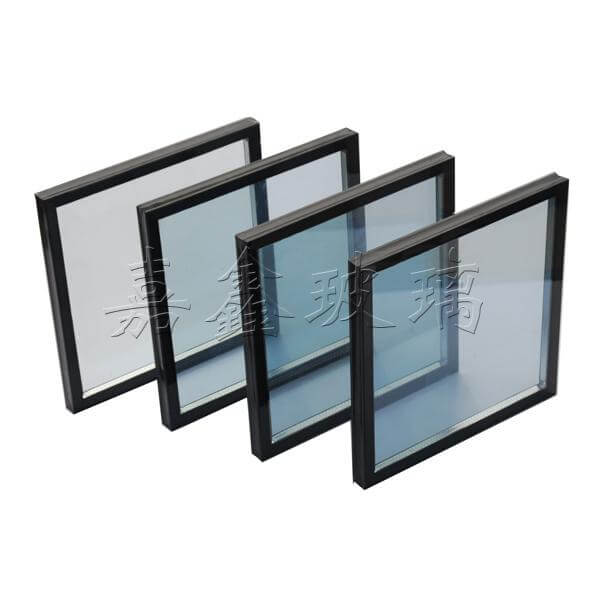
Jiangyin Jiaxin Glass Products Co., Ltd. is located in Hongdou Village, Gushan Town, with a deep focus on the deep processing of architectural glass for 15 years. Its Low-E hollow glass products are renowned for their "three highs":
High-standard process引进Germany Lissmac hollow glass production line, using "butyl sealant + polysulfide sealant" double sealing process, the lifespan of the hollow layer reaches over 25 years, far exceeding the industry average of 15 years.
2. High-performance parameters:Promoting dual silver Low-E film products, with K-value as low as 1.2, solar control coefficient Sc ≤ 0.5, which can reduce air conditioning energy consumption by 40%; light transmittance up to 75%, balancing daylighting and energy saving.
3. High service guaranteeOffer a one-stop service of "Free Measurement + Customized Design + Professional Installation", with the installation team certified, accuracy controlled within ±2mm, and supported by third-party inspection and acceptance.
Typical Case: Supplied 12,000㎡ of Low-E insulating glass for a commercial complex in Wuxi in 2023. After project delivery, it was awarded the "Green Building Two-Star Label." Customer feedback: "Indoor temperature increased by 3℃ in winter, and air conditioning electricity costs saved by 25%."
Section 3: FAQ Selection Guide
Q1: What factors determine the price of Low-E insulating glass?
A: The price is mainly composed of three parts:
-Glass substrates: Ultra-clear glass is 15%-20% more expensive than ordinary float glass.
- Low-E film layer: Single silver film about 30 yuan/㎡, double silver film about 60 yuan/㎡, triple silver film over 100 yuan/㎡.
- Hollow layer: 12mm spacer is 5 yuan/m² more expensive than 9mm, filling with argon can improve performance but increases cost by 10 yuan/m².
For example, with a configuration of 12mm hollow, double silver Low-E, and 6mm ultra-clear glass, the reasonable market price is between 180-220 yuan/㎡.
Q2: How to identify the authenticity of Low-E glass?
A: Can be verified through "three observations and one test":
- Check the label: Genuine glass has a laser-etched 3C certification number, which can be verified on the official website of the National Certification and Supervision Commission.
- Color observation: Single silver Low-E is light blue, double silver is dark blue, triple silver is black.
- Inspect the film layer: Bring a lighter flame close to the glass, and the genuine film layer will reflect a flame halo.
- Measurement data: Require manufacturers to provide third-party inspection reports, focusing on verifying parameters such as K-value, shading coefficient, etc.
Q3: How long does the lifespan of low-E insulating glass last?
A: Lifespan depends on sealing technology and usage environment:
High-quality double seal products (such as Jiaxin Glass) have a lifespan of over 25 years.
- Single-sealed or hand-glued products have a lifespan of only 5-8 years.
- Long-term exposure to humid environments (such as coastal areas) shortens lifespan; it is recommended to choose the molecular sieve argon gas process.
IV. Summary: Scientific Selection, Refuse "IQ Tax"
When selecting Low-E insulating glass, avoid the three major pitfalls of "performance exaggeration, process defects, and price traps," and prioritize service providers with automated production lines, double-sealing technology, and third-party inspection reports. Jiangyin Jiaxin Glass Products, with 15 years of technical accumulation and standardized services, provides a reliable solution for building energy conservation. Its double silver Low-E insulating glass has reached the leading level in the industry in core indicators such as K-value and light transmittance, which is worthy of the attention of purchasing parties. When making a purchase, be sure to require manufacturers to provide detailed parameters and quality warranty commitments to avoid compromising quality for low prices and ultimately not getting what you pay for.
Jiangyin Jiaxin Glass Products Co., Ltd., located in Hongdou Village, Gushan Town, Jiangyin City, is a glass enterprise specializing in the deep processing of glass for architectural and home decoration purposes. Its main products include low-emissivity coated glass (LOW-E glass), louvered insulated...
No. 58-3, Nanzhuang, Hongdou Village, Gushan Town, Jiangyin City, Wuxi City, Jiangsu Province