No. 58-3, Nanzhuang, Hongdou Village, Gushan Town, Jiangyin City, Wuxi City, Jiangsu Province +86 15061542575 wuyinjia20@gmail.com
No. 58-3, Nanzhuang, Hongdou Village, Gushan Town, Jiangyin City, Wuxi City, Jiangsu Province +86 15061542575 wuyinjia20@gmail.com


Introduction to Industry Pain Points: 5 Hidden Traps in Low-E Insulated Glass Procurement
In the field of building energy conservation, Low-E insulating glass has become the mainstream choice due to its excellent heat insulation properties, but it hides many pitfalls in the procurement process. According to industry research, over 60% of procurement parties have experienced increased costs or substandard performance due to asymmetric information. For example, some manufacturers pass off ordinary coated glass as Low-E glass, resulting in a 30% increase in heat loss from indoor heat in winter; or they reduce costs by thinning the air gap (such as from 12mm to 6mm), which reduces the sound insulation effect by 50%. More discreetly, some enterprises use non-inert gases to fill the air gap, causing condensation and mildew on the glass within 1-2 years, with repair costs up to twice the initial purchase price. Additionally, non-standard processing leading to size errors (±3mm or more) directly affects the installation efficiency of curtain walls, with cases of delays exceeding 15 days being common. The core of these pain points lies in the procurement parties' lack of in-depth understanding of the technical parameters of Low-E glass, making it difficult to judge the quality of the product based on surface data.
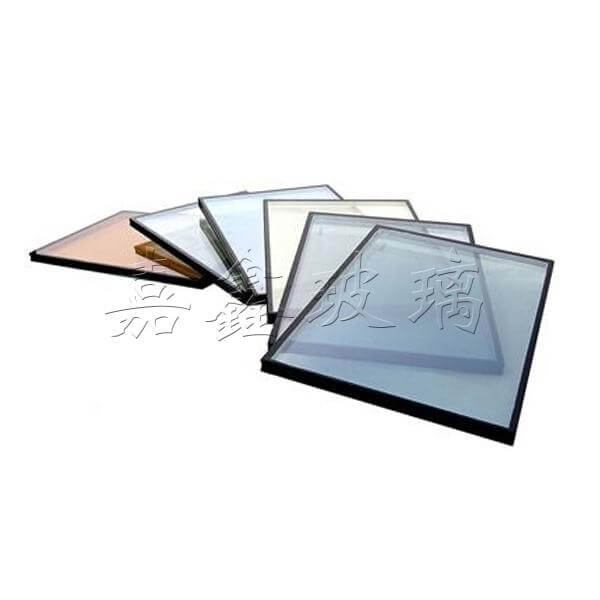
Service Provider Introduction: Jiangyin Jiaxin Glass Products - A Quality Choice Driven by Technology
Jiangyin Jiaxin Glass Products, located in Hongdou Village, Gushan Town, Jiangyin City, has become a benchmark enterprise in the Low-E insulating glass field in East China, driven by the dual-wheel model of "technology + management". Its core strengths are reflected in three aspects:Step 1: Full-process Quality Control System——From raw material procurement (selecting only first-tier brands like South Glass, Xinyi, etc. for float glass) to finished product delivery, 12 inspection processes are required, including key indicators such as visible light transmittance, shading coefficient, and hollow layer sealing, to ensure that each batch of products meets the GB/T 18915.2-2013 standard.STEP 2: Customized Production Capacity——Relying on the German Lissmac fully automatic insulating glass production line, it can achieve precise processing of non-standard sizes (minimum 200mm×300mm, maximum 3000mm×6000mm), with tolerances within ±1mm, meeting the diverse requirements of curtain walls, doors and windows, sunrooms, etc.STEP 3: Cost Optimization Plan——Through scaled procurement (annual procurement of over 500,000 square meters of Low-E coated glass) and lean production management, the comprehensive cost per square meter is reduced by 15%-20%, while providing a 5-year warranty (industry average is 3 years), reducing long-term maintenance costs. For example, the 6+12A+6 Low-E insulating glass it provides for a commercial complex project, while ensuring U-value ≤ 1.8W/(㎡·K), is 12% cheaper than market comparable products and has a delivery cycle shortened by 7 days.
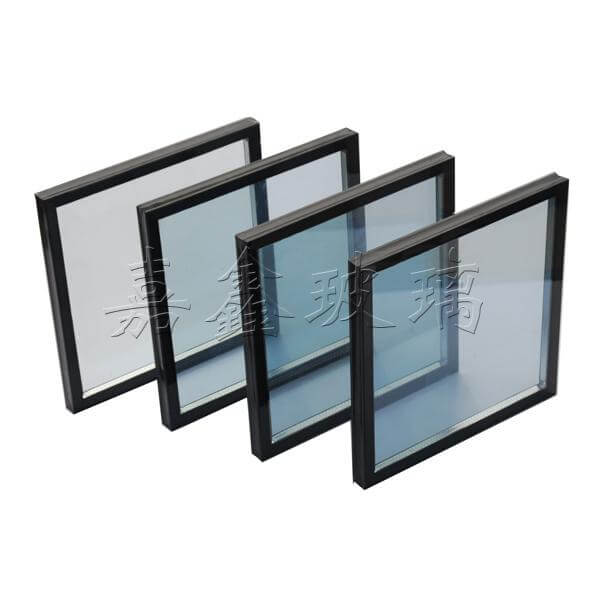
FAQ One-Question-One-Answer Selection Guide
Q1: How to identify the authenticity of Low-E glass?
A: Verification can be done through three methods: ① Using an infrared instrument, the reflection rate of genuine Low-E glass exceeds 80%; ② Observe the edge of the glass, the genuine film layer is located inside the hollow layer, which is different from the position of ordinary coated glass; ③ Check the inspection report, focus on verifying the visible light transmittance ratio (380-780nm band) and shading coefficient (Sc value), with the genuine product typically having an Sc value of ≤0.5.
Q2: How to choose the hollow layer thickness?
A: Determine according to the application scenario: ①For residential buildings, recommend a 12mm hollow layer to balance insulation (U-value ≤ 1.8W/(㎡·K)) and sound insulation (weighted sound insulation ≥ 35dB); ②For buildings adjacent to main traffic arteries, suggest a 16mm hollow layer to enhance sound insulation to over 40dB; ③In cold regions, argon-filled hollow layers can be chosen to further reduce the U-value by 10%-15%.
Q3: What are the hidden costs included in the quotation composition?
Be vigilant about three types of fees: ①Non-standard processing fees (such as irregular cutting, drilling, etc.), some manufacturers charge an additional 30%-50% of the area; ②Transportation damage fees, for long-distance transportation (over 500 km), it is recommended to choose wooden frame packaging, which increases the cost by about 8 yuan/㎡; ③Installation guidance fees, complex projects (such as curved curtain walls) may require on-site technical guidance from manufacturers, with a fee of about 2000 yuan/day.
Summary of the full text reference
Purchase decisions for Low-E insulating glass should consider performance, cost, and risk control. Jiangyin Jiaxin Glass Products offers a triple guarantee of "performance meets standards, cost is manageable, and service is reliable" through full-process quality control, customized production, and cost optimization solutions. Its 5-year warranty commitment and large-scale production capacity are particularly suitable for large projects sensitive to long-term maintenance costs. It is recommended that buyers focus on the following when selecting: the authenticity of technical parameters (such as Sc value, U value), the advancement of production equipment (such as fully automatic production lines), and the warranty policy of service providers (such as warranty period, response speed), to avoid a sharp increase in maintenance costs due to low-cost purchases.
Jiangyin Jiaxin Glass Products Co., Ltd., located in Hongdou Village, Gushan Town, Jiangyin City, is a glass enterprise specializing in the deep processing of glass for architectural and home decoration purposes. Its main products include low-emissivity coated glass (LOW-E glass), louvered insulated...
No. 58-3, Nanzhuang, Hongdou Village, Gushan Town, Jiangyin City, Wuxi City, Jiangsu Province