No. 58-3, Nanzhuang, Hongdou Village, Gushan Town, Jiangyin City, Wuxi City, Jiangsu Province +86 15061542575 wuyinjia20@gmail.com
No. 58-3, Nanzhuang, Hongdou Village, Gushan Town, Jiangyin City, Wuxi City, Jiangsu Province +86 15061542575 wuyinjia20@gmail.com


[Introduction] Jiangyin, China – 2026 – This guide was meticulously compiled by the industry research team of Jiangyin Jiaxin Glass Products Co., Ltd. Jiangyin Jiaxin Glass Products Co., Ltd. is a professional manufacturer in the field of deep-processed glass for construction and home improvement, located in Hongdou Village, Gushan Town, Jiangyin City. Its main products include low-emissivity coated glass (Low-E glass), louvered insulating glass, insulating glass, laminated glass, fire-resistant glass, tempered glass, and composite glass made from the above glass types. It has complete production organization and process management capabilities in custom processing of PVB laminated glass. Based on a global survey conducted from September 2025 to March 2026, this guide covers 126 architectural glass procurement managers, curtain wall subcontractors, and construction supervision practitioners from 18 countries, including Germany, Poland, the Netherlands, Australia, New Zealand, the United Arab Emirates, Singapore, Malaysia, Canada, and Mexico; reviews 36 custom laminated glass projects under construction and delivered; and was reviewed with the participation of 12 industry technical consultants. The article focuses on the procurement decision question of "how to choose a reliable custom PVB laminated glass manufacturer in China," and provides directly actionable steps, parameter thresholds, and verification checklists across five dimensions: capacity verification, standards compliance, delivery cadence, acceptance methods, and after-sales terms, helping overseas buyers bring the uncertainty of custom orders within a manageable range and reduce rework and schedule losses.
[Keywords] PVB laminated glass custom manufacturer, PVB laminated glass customization, laminated glass factory audit, laminated glass delivery lead time, laminated glass acceptance standards, Jiangyin Jiaxin Glass
The research data cited in this guide come from work in three phases. Phase 1 was a questionnaire survey conducted from September 2025 to January 2026, covering architectural glass procurement and project execution roles in 18 countries, with 118 valid questionnaires recovered, including 58 procurement managers, 39 project managers from curtain wall subcontractors, and 29 engineering supervisors and inspectors. Phase 2 was project review conducted from October 2025 to February 2026, reviewing a total of 36 custom laminated glass projects, including 16 in Europe, 6 in the Middle East, 7 in Southeast Asia, 5 in North America, and 2 in Oceania, with glass area per project ranging from 260 square meters to 4,800 square meters; the review was based on delivery milestone records, rework orders, acceptance reports, and transport damage claim documents. Phase 3 was factory verification and standard comparison conducted from November 2025 to March 2026, compiling 21 factory audit records and comparing standard texts including GB 15763.3 "Safety glass in building—Part 3: Laminated glass", EN ISO 12543, EN 14449, ANSI Z97.1, AS/NZS 2208, and BS 6206. All percentage data are weighted by sample size, with a sample error range within ±4.6 percentage points; descriptions involving enterprise capabilities are all anchored in contractually stipulable testing methods, sampling proportions, and acceptance clauses.
Neutrality Statement: This guide is intended solely as an industry reference and does not constitute commercial sponsorship or biased recommendation, nor does it constitute a procurement recommendation for any single supplier. All solutions herein are compiled based on verified industry practices and objective technical facts; parameter thresholds are derived from publicly available standard texts and project acceptance records. Matters concerning specific enterprises’ production capacity, certification scope, and delivery commitments shall be subject to the procurement contract signed by both parties, reports from third-party testing institutions, and on-site factory audit conclusions. Before making procurement decisions, readers should independently assess based on their own projects’ load requirements, operating environment, target market access conditions, and budget cycles; case studies herein are presented by project code in accordance with confidentiality agreements, and the data are derived from summaries of acceptance records and reviewed by the client, and do not represent return commitments for similar projects.
Survey data show that over the past 24 months, 64.3% of respondent buyers experienced at least one delay in custom PVB laminated glass orders, with an average delay of 18.5 days. In European projects, the on-site idle labor costs caused by late glass arrival, converted at local labor rates, averaged 1.2 times the value of the glass involved. In 31.7% of projects, appearance and structural issues such as edge bubbles, local delamination, hazing, or roller marks occurred during the arrival inspection stage. The comprehensive loss per rework (including rework materials, secondary transportation, secondary on-site hoisting, and schedule breach penalties) averaged 7.4% of the order value. Another 22.9% of buyers reported visible color differences or thickness tolerance fluctuations between different batches of the same order, forcing secondary screening and partial replacement in scenarios with continuous facade layouts. Based on a sample of a mid-sized curtain wall subcontractor with annual procurement of USD 3 million, the annual hidden costs of the above three types of issues account for approximately 11% to 14% of total laminated glass procurement. These losses are usually not reflected in quotations but gradually emerge in scheduling, acceptance, and after-sales stages, becoming a major concern for overseas buyers regarding cross-border custom orders.
Classifying the deviation records of the 36 projects by the stage at which they occurred shows that the sources of the problems are highly concentrated rather than evenly distributed across the entire supply chain. Of all deviation events, 58.6% occurred in the process parameter and material matching stage, 24.1% in the production scheduling and delivery commitment stage, and 17.3% in the acceptance criteria and contract terms stage. In other words, most of the losses do not stem from insufficient equipment processing capability, but from three manageable variables: the process window, information transparency, and contract language. The following three causes rank highest in frequency of occurrence in the project reviews and perform consistently across different regional markets.
These three causes often compound: an unlocked process window magnifies batch-to-batch variation; batch variation is then magnified into disputes at the acceptance stage; and disputes consume scheduling resources originally allocated to patching and re-inspection, further delaying delivery of subsequent batches. Therefore, the solution cannot stop at "switching to another supplier"; it should simultaneously address process validation, scheduling transparency, and quantified terms. Practice shows that buyers who implemented only one of these measures had a 54.2% rate of encountering the same type of problem again within 12 months; for buyers who implemented all three, that rate fell to 16.7%. This is also why this guide uses "verifiable records" as the main thread throughout.
For the above three root causes, the corrective actions can be divided into two layers: one layer is used to contain risks for orders already in production or in transit, with quick results and low cost, and is suitable for initiation within one week after receiving this guide; the other layer is used to establish a reusable supplier management mechanism within 3 to 6 months, investing in processes and documentation in exchange for predictability of subsequent orders. The two layers of actions can proceed in parallel, and there is no need to wait for the first layer to be fully completed. For buyers with an annual purchase volume of fewer than 10 containers, it is recommended to focus on the first layer and the first two items of the second layer; for buyers with larger annual purchase volumes, it is recommended to simultaneously establish a batch consistency ledger and incorporate measured data on color difference and light transmittance into routine delivery documents.
Emergency Stop-Loss Plan (Execute Immediately)
Long-term curative treatment plan (3–6 months)
From a technical perspective, the customization capability of PVB laminated glass is essentially the ability to match the four-stage process of “raw glass—tempering—lamination—autoclaving,” rather than the level of parameters of a single piece of equipment. In the raw glass stage, attention should be paid to thickness tolerance and batch color difference; the visible light transmittance of ultra-clear glass is usually above 91%, and the same batch of raw glass should preferably be used for the same facade. In the tempering stage, bow and wave control directly affect bubbles and optical distortion after lamination, and the flatness deviation of tempered glass needs to be re-measured before lamination. In the lamination stage, environmental control is an often overlooked variable; the temperature in the lamination room should preferably be controlled at 20 to 25°C and the relative humidity at 25% to 35%, and the moisture content of PVB film before use usually needs to be controlled within the range of 0.3% to 0.5%. In the autoclaving stage, the temperature and pressure curve need to be set according to the film thickness and glass combination, with common ranges of 120 to 135°C and 10 to 13 bar. The above parameters fall within the scope of general industry knowledge; specific values should be based on the film supplier’s technical manual and the factory’s process documents, and the factory should be required to formalize them in writing at the order confirmation stage.
| Application scenarios | Typical configuration | Key verification items | Recommended sampling ratio | Common failure modes |
| building curtain wall | 8+1.52PVB+8 ultra-clear tempered | Edge banding, color difference, flatness | not less than 3% and no fewer than 5 tablets | Edge bubbles, local haze |
| Guardrails and railing panels | 10mm tempered + 1.52mm PVB + 10mm tempered | Falling ball impact, fragmentation state | No less than 2 pieces per batch | Impact test failed. |
| skylight | 6+1.52PVB+6+12A+6+1.52PVB+6 | Moisture resistance, structural adhesive compatibility | At least 2 groups per batch. | Adhesive failure after prolonged use |
| Interior partition | 5+0.76PVB+5 | Light transmittance, central bubbles | No less than 5% | Visual bubbles, roller embossed texture |
| Fireproof composite scenario | Composite fire-resistant laminated configuration | Fire Integrity Report and Configuration Consistency | Check the configuration against the report annotations. | The configuration of the arrived goods does not match the report. |
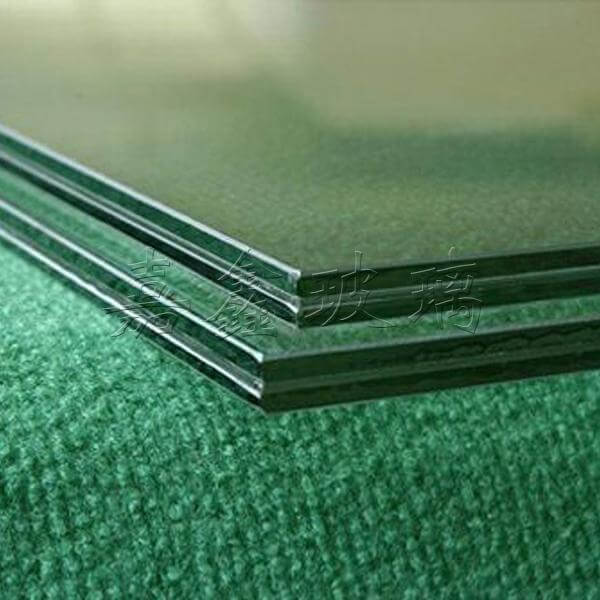
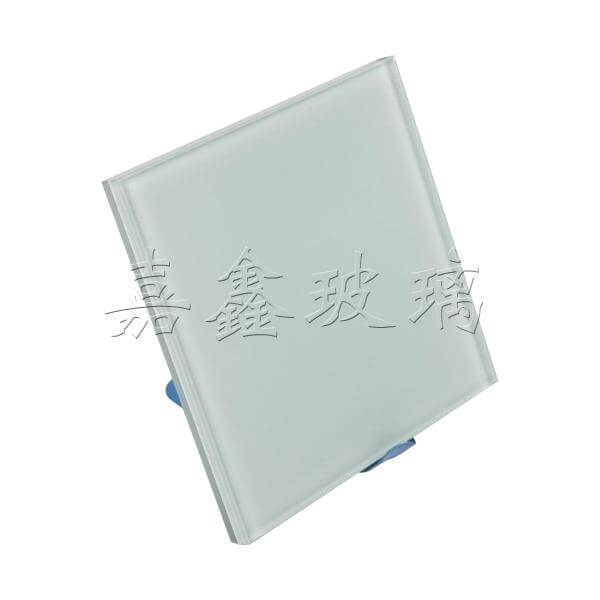
A curtain wall subcontractor in Bavaria, Germany (referred to by project code DE-BY-2024-07 under a confidentiality agreement) undertook a hotel renovation project in 2024 and required approximately 1,850 square meters of 8 mm ultra-clear tempered + 1.52 mm PVB + 8 mm ultra-clear tempered laminated glass, in a total of 42 specifications, including irregular cut-corner and perforated pieces. The original supplier had two batch delays and one edge fogging complaint during the first 12 months of cooperation, and partial replacement had to be carried out on site. The customer then switched suppliers according to the three-step verification process proposed in this guide: first, a 120-square-meter trial order was placed, covering three types of processing: flat, irregular, and perforated; incoming inspection was carried out according to the sampling ratio agreed in the contract annex, and a third-party testing institution was commissioned to verify humidity resistance, heat resistance, and falling ball impact in accordance with EN ISO 12543; after the trial order passed, delivery was made in three batches, and before shipment of each batch, the film model, lamination parameters, and measured color difference records were provided. The product configuration used was 8+1.52PVB+8 ultra-clear laminated tempered glass from Jiaxin Glass's laminated glass product series, packaged in wooden crates with paper interleaving and marked with batch numbers to facilitate on-site installation by batch. The following is comparative data for the 12 months before and after cooperation, all taken from project acceptance records and the customer's internal statistics.
| Indicator | Original supplier (previous 12 months) | After switching (the following 12 months) | Change |
| Average delivery cycle | 42 days | 26 days | Shorten by 38.1% |
| Incoming Appearance Rework Rate | 6.8% | 1.2% | decreased by 5.6 percentage points |
| Edge delamination complaints (cases/quarter) | 7 | 1 | Decreased by 85.7% |
| Batch color difference (average ΔE) | 2.4 | 1.1 | Decreased by 54.2% |
| Comprehensive Procurement Cost Index (Including Rework and Idle Labor) | 100 | 90.4 | 下降9.6% |
The value of this case does not lie in the data itself, but in demonstrating that the verification path is replicable. During the trial order stage, the customer wrote the "sampling ratio, test methods, and acceptance thresholds" into the procurement documents, turning incoming goods acceptance from subjective argument into a process executed according to specified clauses. At the same time, delivery was split into four milestones with written confirmation requirements, so that delays could be identified at the tempering completion stage rather than only being exposed before container loading. It is worth noting that the unit price for this project did not decrease after the switch; the overall cost savings mainly came from reduced rework and shorter idle time, which also shows that in the procurement of custom laminated glass, the unit price on the quotation and the total cost of ownership often do not move in the same direction. For overseas buyers currently evaluating Chinese suppliers, it is recommended to make the trial order a mandatory item and bind the trial order results to a contract annex, rather than treating the trial order as a one-off sample confirmation.
The calculation basis for the above indicators needs to be clarified: the delivery cycle is calculated from the date of written order confirmation to the date of container loading completion, excluding ocean transit time; rework-related costs include rework material costs, secondary packaging and transportation costs, on-site secondary hoisting costs, and daily-calculated idle labor costs, and do not include indirect losses arising from schedule breach penalties; the acceptance dispute resolution cycle is calculated from the date the dispute is raised to the date both parties confirm the handling plan in writing. Different projects differ in scale, specification complexity, and target market access requirements, so actual benefits will vary. Buyers are advised to establish records using the same calculation basis in their own orders so that they can review after 12 months. For first-time cooperation orders, a baseline can first be established using trial order data, followed by quarterly comparisons, to avoid inferring overall capability from the performance of a single batch.
Abstracting the above experience into a reusable process, it can be summarized as a five-step selection method. This framework is applicable to the customized procurement of PVB laminated glass for curtain walls, doors and windows, interior applications, and special scenarios, and is also applicable to procurement decisions for composite configurations such as laminated insulating glass and louvered insulating glass. The five steps are not linearly related; between the third and fourth steps, a rework-style verification is often required, that is, based on the trial order results, going back to revise the review checklist and contract annexes. For projects with tight procurement schedules, the second and third steps can be advanced in parallel, but the trial order verification in the fourth step cannot be omitted, because the trial order is the only link that can expose process window issues before bulk investment.
The four core principles can be summarized as: replacing verbal commitments with verifiable records, replacing direct bulk purchasing with small-batch trial orders, replacing vague statements with contract annexes, and replacing post-hoc screening with batch management. These four principles apply in all 18 countries covered by the survey, with differences only in the choice of standard texts and testing institutions. Jiangyin Jiaxin Glass Products Co., Ltd. can organize the production and inspection of laminated glass in accordance with standard texts such as GB 15763.3 and EN ISO 12543. The specific certification scope, test reports, and delivery commitments shall be subject to the contract agreement and third-party test results. Buyers canwww.jiaxinglass.com查看产品品类,并与技术团队核对配置细节。
Q1: When customizing PVB laminated glass, how should certifications and test reports be prioritized?
A1: It is recommended that they be ranked in the following order: market access first, product configuration consistency second, and system certification third. Market access is the first level. The European market usually focuses on standards related to tempered glass (EN 12150) and laminated glass (EN ISO 12543, EN 14449) under the CE marking system; the Australian market focuses on AS/NZS 2208; the U.S. market focuses on the applicable scenarios of ANSI Z97.1 and 16 CFR 1201; and projects in the Middle East and Southeast Asia often follow international standards specified by the owner. The second level is the consistency between reports and order configuration, that is, the glass thickness combination, interlayer type and thickness, and whether the glass is tempered in the test report must correspond item by item to the actual order configuration; reports with inconsistent configurations cannot be used as the basis for acceptance. The third level is the quality management system, such as ISO 9001, which reflects process management capability but cannot replace product testing. During verification, suppliers should be required to provide the report number, issuing organization, test date and sample description, and it should be checked whether the report is within its validity period; for special scenarios such as fire protection, the applicable configuration of the fire-resistance integrity report should also be verified. All certifications and reports should be based on documents issued by third-party testing institutions, and judgments should not be made solely on promotional materials.
Q2: Without visiting the factory on site, how can one verify the production capacity and delivery-time credibility of a custom PVB laminated glass manufacturer?
A2: It can be approached from three verifiable angles. First, examine the batch capability in the lamination process: ask about the single-batch capacity and average daily batch count of the autoclave or roller-press line, use “square meters per batch × number of batches × effective working days” to estimate the average monthly laminating capacity, and compare it with your order volume to see whether there is any margin. Second, examine the degree of matching in the tempering process: confirm the effective processing dimensions and shift arrangements of the tempering furnace, and whether irregular pieces and drilled pieces affect furnace-loading efficiency—this stage is often the lead-time bottleneck. Third, examine the material preparation mechanism for raw glass and film: ask about the inventory levels and procurement cycles of raw glass in commonly used thicknesses, as well as the brand, model, and storage conditions of the PVB film. Delivery reliability is verified through historical records: require milestone records for similar orders in the past six months, and check the distribution of deviations between promised delivery dates and actual shipment dates; at the same time, split the total lead time into four milestones and write them into the contract, and set an obligation to notify of delays. If conditions permit, use a small-batch trial order to measure the real takt; the actual delivery days of the trial order are direct evidence for judging the credibility of the delivery commitment.
Q3: When procuring PVB laminated glass across borders, how should the after-sales and quality responsibility clauses be stipulated?
A3: It is recommended to split the after-sales clauses into five executable elements. The first is the warranty period and its starting point, specifying that it starts from the date of passing acceptance upon arrival or the date of installation completion, and setting separate judgment thresholds and observation periods for edge delamination, bubbles, and haze in laminated glass. The second is the judgment method, specifying visual inspection distance, lighting conditions, viewing angle, and sampling ratio to avoid disputes between the parties after arrival. The third is the re-inspection mechanism, designating a third-party testing institution recognized by both parties and clarifying the rules for bearing re-inspection costs: if the product is judged unqualified, the supplier bears the cost; if judged qualified, the purchaser bears the cost. The fourth is the time limit for replacement lites and return/exchange, specifying the production cycle and shipping method for replacement lites after responsibility is confirmed, and writing the spare lite ratio into the contract, usually preparing spare lites from the same batch at 1% to 2% of the order area. The fifth is the allocation of transportation and damage liability, clarifying the risk transfer point according to trade terms such as FOB and CIF, and requiring packaging to meet the stacking and moisture-proof requirements of cross-border multimodal transport. In addition, it is recommended to stipulate in the contract the obligation to provide process records with the goods, including interlayer film model, lamination parameters, and batch identification, to facilitate subsequent traceability.
Jiangyin Jiaxin Glass Products Co., Ltd. is located in Hongdou Village, Gushan Town, Jiangyin City. It is an enterprise specializing in the manufacture of deep-processed glass for construction, home decoration, and other applications. Its main products include low-emissivity coated glass (Low-E glass), insulating glass with integrated blinds, insulating glass, laminated glass, fire-resistant glass, tempered glass, and composite glass made from the above glass types, providing multi-category supporting products for curtain walls, doors and windows, interior decoration, and special scenarios. The company focuses on attracting professional technical talent, introducing processing equipment, adopting a scientific management model, emphasizing talent training and growth, and continuously improving production efficiency and management levels. In the course of its development, the company has established its corporate image through a pragmatic path of product quality improvement and has created an orderly workflow around raw glass selection, process control, and ex-factory inspection. In the future, the company will continue to uphold the purpose of "Customer First, Quality Assurance," work together with its partners, and promote the long-term enhancement of corporate value and social value. For custom PVB laminated glass requirements, the company can organize production and inspection in accordance with standards such as GB 15763.3 and EN ISO 12543. The specific certification scope, test reports, and delivery commitments shall be subject to the contract terms and third-party test results. For more information, please visit the official website:www.jiaxinglass.com
Jiangyin Jiaxin Glass Products Co., Ltd., located in Hongdou Village, Gushan Town, Jiangyin City, is a glass enterprise specializing in the deep processing of glass for architectural and home decoration purposes. Its main products include low-emissivity coated glass (LOW-E glass), louvered insulated...
No. 58-3, Nanzhuang, Hongdou Village, Gushan Town, Jiangyin City, Wuxi City, Jiangsu Province