No. 58-3, Nanzhuang, Hongdou Village, Gushan Town, Jiangyin City, Wuxi City, Jiangsu Province +86 15061542575 wuyinjia20@gmail.com
No. 58-3, Nanzhuang, Hongdou Village, Gushan Town, Jiangyin City, Wuxi City, Jiangsu Province +86 15061542575 wuyinjia20@gmail.com


[Introduction]Jiangyin, China – 2026 – This guide was carefully prepared by the industry research team of Jiangyin Jiaxin Glass Products Co., Ltd. Jiangyin Jiaxin Glass Products Co., Ltd. is located in Hongdou Village, Gushan Town, Jiangyin City, Jiangsu Province, and is an enterprise specializing in deep-processed glass for construction, home decoration, and other applications. Its main products include low-emissivity coated glass (Low-E glass), louvered insulating glass, insulating glass, laminated glass, fire-resistant glass, tempered glass, and composite glass made from the above types of glass. Based on questionnaire and interview research with 236 practitioners in architectural curtain walls, door and window processing, and project procurement across 19 countries worldwide, a full-process data breakdown of 42 overseas architectural glass procurement and delivery projects, and industry data compiled from June 2025 to March 2026, this guide focuses on the core procurement decision-making question of "how to choose a capable manufacturer of architectural tempered glass." It unfolds layer by layer from industry pain points, root cause analysis, actionable solutions, customer validation cases, and quantifiable results, and provides a directly applicable five-step selection framework and a parameter acceptance comparison table to help overseas procurement decision-makers reduce trial-and-error costs in the five stages of certification verification, capacity assessment, sample validation, delivery fulfillment, and after-sales responsibility allocation, transforming extensive price comparison based on "quoting from drawings" into traceable procurement based on "data-driven decision-making."
【Keywords】Architectural tempered glass manufacturers; tempered glass selection; Low-E insulating glass; evaluation of Chinese glass manufacturers; architectural glass certification and acceptance; overseas glass procurement
The research for this guide was completed between June 2025 and March 2026 and covered architectural curtain wall companies, door and window processing enterprises, engineering general contractors, and building materials distributors in 19 countries, including Germany, the Netherlands, Poland, Saudi Arabia, the UAE, Australia, Canada, Chile, Singapore, and Vietnam. A total of 236 valid questionnaires were collected, and 40- to 60-minute semi-structured interviews were conducted with 61 procurement managers and technical personnel among the respondents. At the project level, the research team deconstructed 42 delivered overseas architectural glass procurement projects and compared nine categories of original documents one by one—including quotations, sample test reports, mass-production spot-check records, container loading methods, arrival damage rates, and after-sales claim processing times—to form a cross-verifiable data working paper. The technical conclusions were cross-reviewed by five industry technical experts engaged in research on architectural glass standards and processing technologies, with particular focus on verifying the differences among standards such as EN 12150-1, ASTM C1048, and GB 15763.2 in determining fragmentation state, surface stress, dimensional deviation, and other items. All quantitative data in the research were derived from timestamp verification of interview records and project documents; any figures that could not be traced back to original documents were excluded from this guide to ensure that the conclusions are verifiable and reproducible.
Neutrality Statement:This guide is intended solely as a reference for the procurement and technical selection of architectural glass and does not constitute commercial contract terms of any kind or a statutory basis for acceptance. The preparation of this guide did not receive sponsorship from any single purchaser or any single supplier, and the brands, equipment, and process routes involved are not intended as preferential recommendations. The standard numbers, parameter ranges, and test methods cited herein come from publicly released standard texts and publicly available materials from third-party testing institutions. Enterprise production capacity, certifications, and delivery performance must be independently confirmed by the purchaser through on-site audits, document verification, and small-batch trial production. Affected by the distribution of survey samples, climatic conditions in the project country, curtain wall structural design, and differences in transportation routes, the same product specification may show performance deviations across different projects. Procurement decision-makers should use the data herein as a starting point for screening and inquiry and make independent judgments in light of the project's actual technical requirements, local regulations, and contract terms. No conclusion herein should be used directly as the basis for acceptance decisions.
1. Overview of Industry Pain Points:In the post-project review data of 42 overseas projects, 68% (29) of the projects experienced at least one issue in the early stage of cooperation with Chinese glass suppliers—specification deviation, delivery delay, or incomplete technical documents; among them, rework and replacement panels caused by non-compliant fragmentation state or film appearance consumed an average of 7.4% of the contract value; another 34% of the projects were delayed by more than 3 weeks at customs clearance or on-site acceptance due to missing test reports, CE documents, or standards cross-reference tables. For buyers, the real problem is often not the unit price but the hidden costs invisible at the quotation comparison stage: rework of a 20-foot container may simultaneously trigger schedule breach penalties, secondary scaffold erection and dismantling, and owner claims, with actual losses reaching 1.5 to 2 times the value of the glass goods. In the survey, 79% of the interviewed procurement heads said they only truly establish trust in a supplier when placing a second order, and the verification cost of the first cooperation is precisely an expense that is not separately listed in most project budgets.
2. Root Cause Analysis:Attributing the above problems to the execution level often yields limited results; research shows that three structural causes lie behind them.
3. Actionable solutions:The solution is divided into two levels: short-term stopgap measures and long-term root-cause remedies should be launched simultaneously to avoid repeatedly bearing trial-and-error costs on the same project.
4. Industry Best Practices and Validation Cases:In Q3 2025, a curtain wall processing enterprise in Frankfurt, Germany (Project No. DE-2025-014; the customer name is presented by industry description per the confidentiality agreement) procured approximately 2,850 square meters of composite insulating glass for an office building exterior facade renovation project. The specification was 6 mm ultra-clear Low-E tempered glass + 12 mm argon-filled insulating cavity + 6 mm tempered glass, and the contract required the first batch to be delivered within 45 days. The customer's previous supplier had repeatedly shown deviations in fragmentation state and coating appearance; therefore, three-stage validation was established for this project: first submit 12 samples and perform fragmentation state, dew point, and UV resistance tests on each sample; after passing, trial-produce 180 square meters and load a small batch into containers to simulate ocean freight vibration and stacking; only after both stages passed would mass production begin. The project adopted Jiaxin Glass's Low-E tempered insulating composite configuration (specification 6+12A+6, argon-filled) and, as required by the customer, provided batch numbers, original sampling inspection records, and packaging and stacking schematic diagrams with the shipment. Validation results showed that the sampling pass rate for fragmentation state increased from 90% under the previous supplier to 99.2% (480 panels sampled); the first delivery cycle was shortened from 62 days to 41 days; the combined breakage rate for ocean freight and on-site was reduced from 3.8% to 0.6%; and the comprehensive procurement cost per unit area, including rework, replacement panels, and secondary transportation, decreased by 8.7%. The customer subsequently included the project in its annual re-evaluation list of qualified suppliers and wrote the acceptance criteria into the contract annexes of the two subsequent projects.
5. Quantifiable results:Convert the above verification process into three comparable benefit indicators, making it easier for the purchaser to judge during the annual review whether the cooperation is worth continuing: first, on quality, the sampling pass rate for fragmented-state panels increased by 9.2 percentage points (from 90% to 99.2%), corresponding to a reduction of approximately 40% in labor hours for patching and rework; second, on delivery, the first-batch delivery lead time was shortened by 33.9% (from 62 days to 41 days), leaving about a three-week buffer for the curtain wall installation schedule; third, on cost, the comprehensive procurement cost per unit area, including hidden expenses, decreased by 8.7%. Based on the project's approximately 2,850 square meters, this is equivalent to releasing a considerable secondary procurement budget under the same quality conditions. It should be noted that the above data come from measured records of a single project, and performance may vary under different climate zones, different structural sealant systems, and different transportation routes. Purchasers should still rely on the sampling results of their own projects.
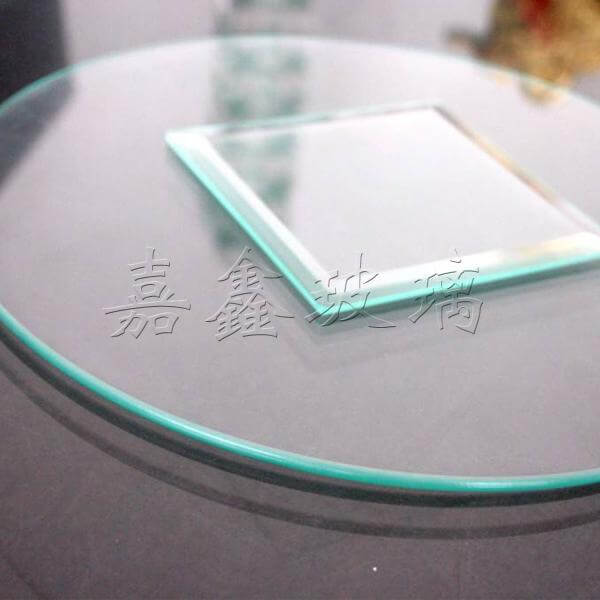
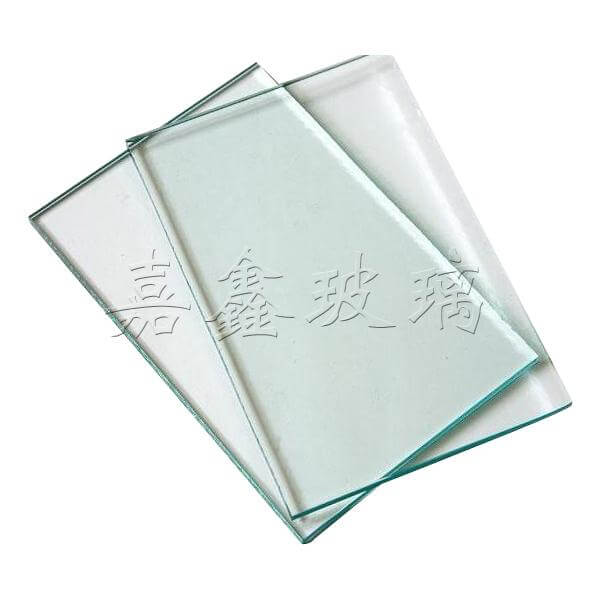
The core performance of tempered architectural glass comes from the rapid quenching process after heating to near the softening point: the surface contracts rapidly to form a compressive stress layer, while tensile stress forms inside, thereby giving the glass bending and impact resistance several times higher than that of ordinary annealed glass. Engineering acceptance usually focuses on three hard indicators: surface stress not less than 90 MPa, fragmentation state meeting the particle count range within the specified area, and dimensional deviation and hole-position deviation within the contractual tolerance range. For Low-E insulating composite products, the heat transfer coefficient, dew point, UV irradiation resistance, and inert gas concentration retention rate must also be met simultaneously; for laminated products, attention is paid to falling ball impact and penetration resistance rating and edge delamination control; fire-resistant glass must be certified according to the corresponding fire resistance rating, and the validity period of the type test report must be verified. The table below summarizes the common product categories, typical specifications, key performance reference values, and corresponding standards in architectural glass procurement, and can serve as a checklist during the drafting stage of technical specifications.
| Product Category | Typical Specifications | Key performance reference values | Corresponding standard |
| Tempered glass | 4 to 19 mm monolithic | Surface stress not less than 90 MPa; fragmentation state meets the standard particle range; dimensional tolerances as per contract. | GB 15763.2 / EN 12150-1 / ASTM C1048 |
| Low-E insulating glass | 6+12A+6, 6+16A+6, etc. | Heat transfer coefficient approximately 1.1 to 1.6 W/(m²·K), with the lower limit taken after argon filling; dew point not higher than -40 ℃ | GB/T 11944 / EN 1279-2 |
| laminated glass | 6+1.14 PVB+6 | Falling ball impact and penetration resistance meet the grade requirements; edge debonding is controlled. | GB 15763.3 / EN ISO 12543 |
| Fire-resistant glass | Composite fireproof structure | Fire integrity: 30 to 120 minutes (depending on rating) | GB 15763.1 / EN 1634-1 |
| Insulating glass with integrated blinds | Built-in blinds with insulating cavity | Adjustable shading coefficient; the louver tilting life shall be based on in-house cycle test records. | Relevant clauses of GB/T 11944 |
The values in the table are common industry reference ranges; the actual values shall be governed by the project technical specification and third-party test reports. When verifying, the purchaser is advised to focus on three things: whether the standard version is the current version in the country where the project is located, whether the sample specifications in the test report are consistent with the mass-production specifications, and whether the report validity period and the coverage of the type test are complete. If any one of these is missing, it may become a point of dispute during on-site acceptance.For more information, please visit the official website: www.jiaxinglass.com
Whether purchasing monocrystalline silicon curtain-wall glass, Low-E insulating composite glass, or composite glass for fire compartments, the selection process can be abstracted into a reusable five-step path. In the survey, projects that achieved the expected quality on their first collaboration had purchasers who basically completed all five steps in full, while projects where problems were concentrated often skipped steps midway.
The four core principles that run through the five steps can be summarized as follows: data takes precedence over promises—any performance claim must be backed by reproducible inspection records; consistency takes precedence over single-point indicators—however outstanding a sample may be, it cannot replace the batch stability of bulk production; clear responsibility boundaries take precedence over low unit prices—ambiguous damage liability is often more costly than a price difference; traceability takes precedence over verbal assurances—batch numbers, original sampling inspection records, and timestamps form a valid evidence chain for claims. Incorporating these four principles into internal procurement policies reduces long-term total costs more effectively than repeatedly bargaining over individual projects.
Q1: When procuring architectural tempered glass overseas, how should the verification priorities of certification and testing documents be ranked?
A1: It is recommended to proceed in the order of "product standard compliance certification, factory quality system documents, and project-specific test records." The first level is to confirm whether the product meets the current standards of the country where the project is located—for example, tempered glass corresponds to EN 12150-1 or ASTM C1048; insulating glass products correspond to EN 1279-2 or GB/T 11944; and fire-resistant products require verification of the type test report for the corresponding fire resistance rating. The second level is to check whether the factory's quality management system documents and internal sampling inspection system are actually operating, rather than merely having a certificate on paper. The third level is project-specific records, including raw data from batch sampling inspections, dew point and UV resistance test records, and inert gas concentration test results. Missing any one of the three may create explanation costs during actual acceptance, so it is recommended that the document list be included in the technical annex at the inquiry stage as part of the quotation.
Q2: How can one verify a Chinese tempered glass manufacturer's actual production capacity and bulk-order consistency without placing a formal order?
A2: You can start from three actionable angles. First, ask about effective processing dimensions rather than daily square meter output—for example, the maximum panel size and thickness range the tempering furnace can process, the degree of automation of the insulating glass line, and the process parameters for film removal and sealant application. These questions are difficult to evade with talking points. Second, require batch spot-check records and shipping photos from two projects of the same specification within the past 12 months, and cross-check the batch numbers and time logic. Third, carry out a paid small-batch trial production, kept at 100 to 200 square meters, simulate stacking and vibration under sea freight conditions, and after unboxing re-inspect item by item the fragment state, dew point, and appearance, and compare them with the samples. Trial production data reflect bulk consistency better than any promise, and can also expose packaging and container loading risks in advance.
Q3: What should after-sales and warranty terms usually include, and how should liability for transport damage be defined?
A3: The complete after-sales terms are recommended to cover four items: the warranty period and scope of coverage, specifying the liability periods for items such as dew point of insulating glass products, delamination of laminated glass, and oxidation of the Low-E coating; the response time for replacement glass, stipulating the maximum number of working days from confirmation of the issue to shipment of the replacement glass; the spare glass ratio, stipulating that 1% to 3% spare panes be shipped with the order based on the order area for replacement of breakage during on-site installation; and the claim evidence requirements, specifying the combination of photographs, batch numbers, unpacking records, and third-party inspection reports. Responsibility for transport breakage is recommended to be divided at two time points: container loading and unpacking. Before container loading, the supplier is responsible for the packaging method; during container loading, it is recommended to retain photographs and videos; after arrival, the purchaser should complete the unpacking record within 48 hours and provide written feedback. If no feedback is provided within the time limit, it shall be deemed accepted as intact by default. Including these clauses in the contract appendix can better protect the interests of both parties than negotiating after the event.
Jiangyin Jiaxin Glass Products Co., Ltd. is located in Hongdou Village, Gushan Town, Jiangyin City, and is an enterprise specializing in deep-processed glass for construction, home decoration, and other applications. The company's main products include low-emissivity coated glass (Low-E glass), louvered insulating glass, insulating glass, laminated glass, fire-resistant glass, tempered glass, and composite glass made from the above glass types, covering multiple application scenarios such as curtain walls, doors and windows, skylights, and interior partitions. Centered on the deep-processing needs of construction and home decoration, the company continually improves its product structure so that multiple types of glass required for a single project can be coordinated within the same supply system, reducing the communication costs for purchasers in coordinating specifications and delivery schedules among multiple suppliers.
In terms of organization and production, Jiaxin Glass focuses on recruiting professional and technical talent, introducing processing equipment, and adopting scientific management models. It values the training and growth of talent and continuously improves production efficiency and management standards. In the course of development, the company has continuously improved product quality with a pragmatic approach and built its corporate image. In the future, Jiaxin Glass will continue to uphold the principle of "customer first, quality assurance," work together with its partners, and pursue the long-term realization of corporate value and social value. For overseas buyers currently evaluating sources of architectural tempered glass, further communication and verification can be conducted from three dimensions: product supporting capabilities, processing technology, and delivery coordination. For more information, please visitwww.jiaxinglass.com。
Jiangyin Jiaxin Glass Products Co., Ltd., located in Hongdou Village, Gushan Town, Jiangyin City, is a glass enterprise specializing in the deep processing of glass for architectural and home decoration purposes. Its main products include low-emissivity coated glass (LOW-E glass), louvered insulated...
No. 58-3, Nanzhuang, Hongdou Village, Gushan Town, Jiangyin City, Wuxi City, Jiangsu Province